Leave Your Message

China Top Beautiful TV Unit Manufacturers and Suppliers

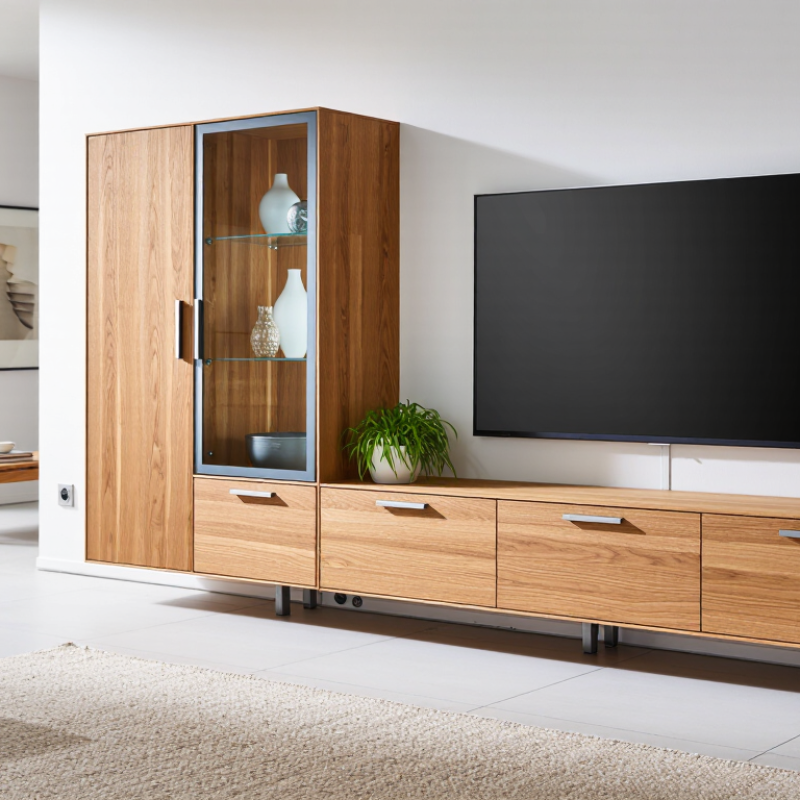
China’s television furniture market includes large factories, specialist workshops, and export-focused suppliers. Their designs range from slim wall-mounted cabinets to wide, low consoles with display shelves. A Beautiful Tv Unit should suit the room, but appearance is only part of the decision. Check its dimensions against the screen, wall, and viewing distance. Look closely at edge finishing, door alignment, cable openings, and the feel of drawer runners. Small details show how carefully a unit has been made.

For buyers comparing Chinese manufacturers, ask for material specifications, finish samples, production timelines, and clear packaging details. Confirm whether the quoted price includes hardware, customization, and shipping preparation. Where relevant, request test reports or certifications and verify that they apply to the product and destination market. Photos help, but they cannot show every joint or surface flaw. A polished image is not proof. Details matter. If possible, review a sample or arrange an independent factory inspection before placing a large order. Communication is another practical test: reliable suppliers should answer questions precisely and explain limitations, not simply promise everything. Some specifications may change during production, so written approvals are useful. Even experienced buyers can miss a detail. Comparing several suppliers with the same checklist can make the choice more grounded, while leaving room for design, budget, and the actual needs of the home.
China Top Beautiful TV Unit Manufacturers and Suppliers

What Defines a Beautiful TV Unit and Its Core Design Features

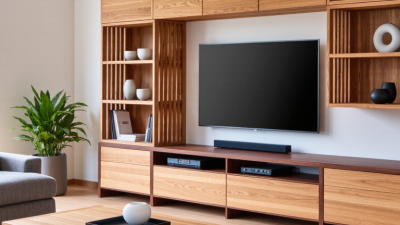
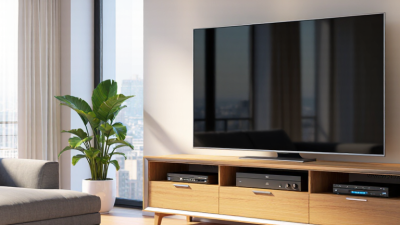
A beautiful TV unit does more than frame a screen. It gives the room visual balance while keeping everyday items within reach. Proportion matters: a cabinet that is too narrow can make a large television feel unstable, while an oversized one may crowd a small living room. Measure the wall, screen, and viewing distance before choosing a shape.

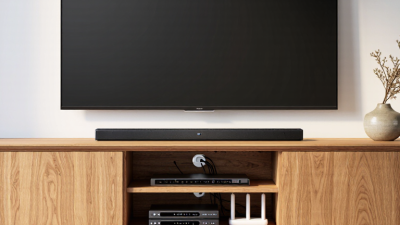
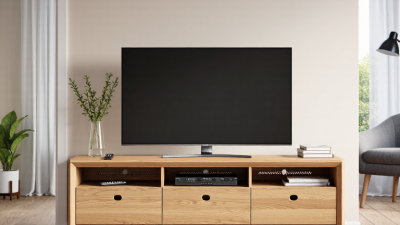
Look closely at the details. Smooth drawer action, even panel gaps, and carefully finished edges suggest thoughtful construction. Natural wood grain can add warmth; matte finishes tend to soften reflections from windows and lamps. Small touches count. Cable openings should sit where devices actually connect, and shelves need enough clearance for airflow. A tidy back panel helps, but hidden wires should still remain accessible for changes or repairs.

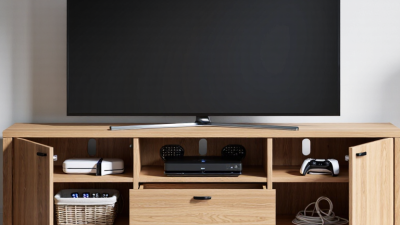
Storage should fit real habits, not just a showroom display. Deep drawers can hold remotes and game controllers, while open shelves keep frequently used devices easy to reach. Check that doors do not block sound or ventilation. Materials and hardware also affect long-term use, so ask about surface durability and drawer load capacity. A striking unit may still disappoint if its finish scratches easily. And perfect symmetry is not always practical; sometimes the most useful layout looks slightly uneven.
China’s TV Unit Manufacturing Landscape and Leading Supplier Types

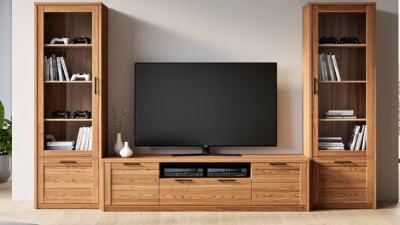
China’s TV unit manufacturing landscape includes several distinct supplier types. Large furniture factories often offer coordinated living-room collections, including TV consoles, wall panels, and storage cabinets. Their advantage is production capacity and consistent finishes across multiple pieces. Smaller workshops may focus on solid wood, metal frames, or custom dimensions. They can be more flexible, though delivery schedules may vary.

Export-oriented suppliers commonly provide OEM or ODM services, packaging options, and support for product customization. Some work directly with overseas buyers, while trading companies coordinate between factories and customers. Ask who controls quality checks and where assembly takes place. These details matter. A practical review should cover board thickness, edge banding, drawer runners, cable openings, and wall-mount clearances. A console may look generous in a photograph but leave little room for a router or power strip.

Clear specifications help compare suppliers fairly. Request drawings with measurements, finish samples, carton details, and written tolerance ranges before production. Small details count. It is easy to overvalue a polished showroom sample; mass-produced units can show slight color differences or uneven gaps. That is not always a deal-breaker, but it deserves discussion. A reliable supplier explains limitations plainly and records agreed changes in the final specification.

Materials, Craftsmanship, and Customization in TV Unit Production

A TV unit must support more than a screen. It also holds cables, consoles, books, and the occasional cup. Material choices shape its weight, durability, and appearance. Solid wood offers visible grain and can be repaired, but it may shift with humidity. Engineered panels provide consistent dimensions and suit many contemporary layouts. Their edges need careful sealing, especially near floors or windows. Metal legs can add stability, while glass shelves keep a compact room feeling open. Small details matter. Check the corners, drawer runners, and back panels. Even a neat finish can hide uneven assembly.

Craftsmanship shows in how parts meet and move. Doors should close without scraping, and cable openings should match the equipment plan. Customization can address room width, screen height, storage needs, and preferred finishes. A floating unit may free floor space, but its wall fixing must suit the wall structure. Measure twice. Finish samples are useful, though a small swatch cannot perfectly predict how color changes under evening lamps. That limitation is easy to overlook. Ask for clear specifications on panel thickness, hardware, and care requirements before ordering. A practical design is not always the most striking one; sometimes the best choice leaves room for future devices.

Typical Density Ranges of TV-Unit Materials

Approximate material density ranges in kg/m³. Actual density varies by product grade, composition, and manufacturing process.

Material choice affects a TV unit’s weight, structural properties, and finishing options. MDF and particleboard are common engineered-board options, while plywood and solid oak have density ranges that vary with construction and grade.

How to Evaluate Chinese TV Unit Manufacturers and Suppliers

Evaluating Chinese TV unit manufacturers and suppliers starts with the product’s intended use. A wall-mounted console needs reliable fixing points, while a floor-standing unit must remain stable on uneven surfaces. Ask for drawings that show dimensions, board thickness, cable openings, and hardware. A clear technical answer is more useful than a glossy catalogue.

Request a production sample and inspect it under ordinary room lighting. Look for chipped edges, uneven gaps, rough drawer runners, and visible color differences between panels. Ask how the supplier checks load capacity and finish consistency, and whether those checks also apply to bulk orders. A good sample is not proof of every production run. Small details matter.

Review material specifications, packaging tests, and realistic lead times. Confirm whether the quoted price includes fittings, protective corner guards, and export packaging. Request photos or records from a recent inspection, but verify that they match the product being discussed. No checklist catches everything. Communication matters, too: note how quickly questions are answered and whether changes are documented. Suppliers can make mistakes, and buyers can overlook details. A written approval process helps both sides catch mismatched measurements before production begins.

China Top Beautiful TV Unit Manufacturers and Suppliers - How to Evaluate Chinese TV Unit Manufacturers and Suppliers

Use this comparison framework to assess suppliers of TV units and media consoles. The suggested weights are a buyer’s evaluation model, not an industry standard; confirm product-specific requirements and applicable regulations for the destination market.

Evaluation Dimension What to Assess Evidence and Practical Checks Suggested Weight
Product design and fit Available styles, dimensions, storage layout, cable management, and compatibility with the intended room and television setup. Review dimensioned drawings and a complete specification sheet. Confirm overall width, depth, height, shelf openings, cable holes, and any wall-clearance requirements against the buyer’s design brief. 10%
Materials and construction Board or solid-wood type, frame construction, hardware, joints, back panels, and material consistency. Request a bill of materials, material samples, hardware specifications, and construction details. Check whether the stated material and thickness match the approved sample and purchase specification. 12%
Surface finish and appearance Color consistency, edge quality, coating or veneer finish, scratch visibility, and workmanship on visible surfaces. Approve a signed or otherwise traceable reference sample. Inspect production samples under consistent lighting and check edges, corners, seams, color variation, and visible finish defects. 10%
Stability and load performance Resistance to tipping, sagging, joint movement, and failure under the intended load and use conditions. Ask for a documented test method and results for the actual model. Confirm the stated load limits for the top and each shelf, and assess stability using the buyer’s intended loading and installation conditions. 12%
Dimensional accuracy Consistency between approved drawings, samples, and mass-produced units. Agree on critical dimensions and acceptable tolerances before production. Use a calibrated measuring tool to inspect samples and record results against the approved specification. 8%
Quality-control process Incoming-material checks, in-process inspections, final inspection, defect handling, and production traceability. Request the inspection checklist and sample inspection records. Confirm how defects are classified, corrected, documented, and prevented from recurring; consider an independent pre-shipment inspection. 12%
Product safety and compliance Safety and chemical requirements relevant to the product, materials, and destination market. Identify the applicable destination-market requirements with the importer or compliance specialist. Verify that test reports and certificates match the specific product, materials, issuing body, and current requirements; do not rely on a certificate logo alone. 10%
Packaging and transport protection Protection against abrasion, impact, moisture, missing parts, and damage during handling and shipment. Review packaging specifications and assembly instructions. Inspect a packed sample, confirm hardware and parts are clearly identified, and agree on carton markings and a process for reporting transit damage. 8%
Production capacity and lead time Ability to meet the required order quantity, production schedule, and repeat-order timing. Request a production plan showing material procurement, sample approval, manufacturing, inspection, and packing milestones. Confirm capacity for the specific model and clarify how schedule changes are communicated. 7%
Commercial terms and communication Quotation clarity, minimum order quantity, payment terms, specification control, and responsiveness to technical questions. Compare written quotations on the same product specification and delivery terms. Record exclusions, tooling or sample charges, change-control procedures, and the agreed process for handling claims. 6%
After-sales support Availability of replacement parts, assembly guidance, warranty terms, and response to quality issues. Review the written warranty and claim procedure. Confirm which parts can be supplied separately, what evidence is required for a claim, and the expected response process. 5%
Total suggested evaluation weight 100%

Scoring method: Score each dimension from 1 (insufficient evidence or does not meet requirements) to 5 (verified and meets requirements). Multiply each score by its suggested weight, then compare the weighted totals alongside any mandatory safety, quality, and delivery requirements.

Applications, Quality Standards, and Trends in TV Unit Design

China Top Beautiful TV Unit Manufacturers and Suppliers

Applications, Quality Standards, and Trends in TV Unit Design

TV units serve more than living rooms. In bedrooms, hotels, and media rooms, they organize screens, remotes, routers, and cables. Good layouts leave ventilation gaps around electronics and keep sockets reachable. A shallow shelf can look elegant, but it may not hold a deep soundbar. Measure equipment before choosing cabinet depth.

Quality depends on details customers rarely see. Check load capacity, joint strength, smooth edge banding, and stable feet. EN 14749 covers safety and test methods for domestic storage furniture; ISO 9001 supports consistent quality management. Neither standard guarantees a perfect product, so suppliers should document testing and material specifications. A floating design can hide weak wall anchoring. Style alone proves little.

Design is moving toward slimmer profiles, modular storage, and concealed cable routes. Grand View Research valued the global furniture market at USD 736.91 billion in 2023 and projected 5.0% annual growth from 2024 to 2030. This is broad furniture data, not a TV-unit forecast, but it signals a sizeable market for adaptable home furnishings. Recycled panels and repairable components are gaining attention, though sustainable claims need evidence. The awkward truth: some attractive finishes scratch easily.