Leave Your Message

7 Best Modern Wood TV Unit Ideas for Every Home

The living room is becoming more flexible, compact, and design-conscious. A television unit now stores devices, hides cables, and anchors the seating area. It should also make the room feel calmer.

Grand View Research valued the global furniture market at over $500 billion in 2023. Its 2024 analysis expects continued growth through 2030, supported by home improvement and interior personalization. Future Market Insights also reports rising interest in sustainable furniture materials and multifunctional storage. These trends explain why a Modern Wood Tv Unit remains relevant across apartments, family homes, and open-plan spaces.

Wood adds warmth that metal and glossy plastics often lack. Oak can brighten a dark room, while walnut creates a deeper, more traditional atmosphere. However, material choice needs practical judgment. Look for durable finishes, stable joinery, ventilation openings, and enough depth for your television and sound equipment. FSC-certified timber can support responsible forestry, while low-emission panels may help reduce indoor pollutant concerns identified by the U.S. Environmental Protection Agency.

Small details matter.

This guide presents seven modern wood TV unit ideas for different room sizes and decorating styles. You will see floating cabinets, slatted designs, minimalist consoles, and storage-focused layouts. Each option considers viewing height, cable management, airflow, and daily maintenance. The most attractive design may not suit every household. A narrow unit can look elegant but lack storage. A large cabinet can organize everything but visually crowd the wall. That compromise deserves attention. Rather than copying a showroom image, measure your wall, devices, and walking space first. The right choice should look refined today and remain useful after your habits change.
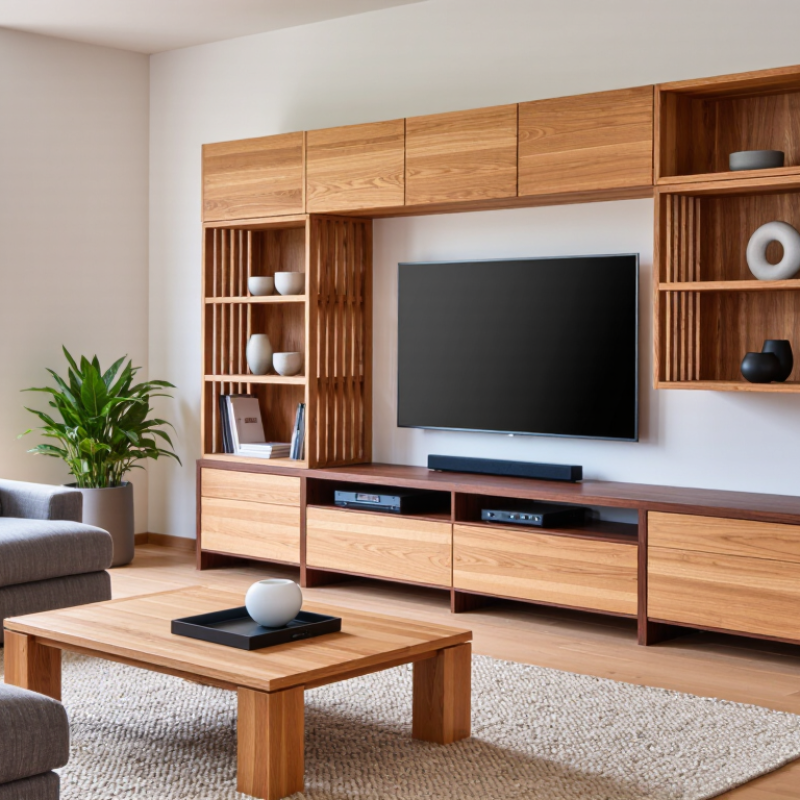
7 Best Modern Wood TV Unit Ideas for Every Home

What Defines a Modern Wood TV Unit?

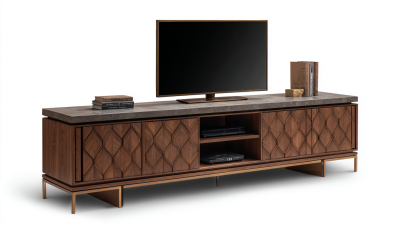
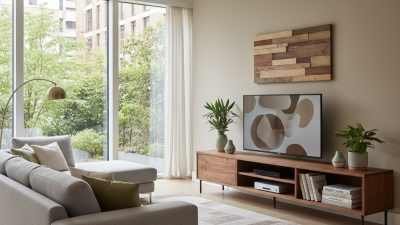
A modern wood TV unit is more than a cabinet with a screen above it. It combines natural texture, simple geometry, practical storage, and controlled visual weight. Clean lines matter. So does proportion: the unit should usually extend beyond the television, leaving balanced space on both sides. I prefer oak, walnut, or ash veneers with visible grain, softened edges, and a low profile. The room feels calmer when cables disappear through rear cut-outs.

Material honesty also defines modern design. The U.S. Environmental Protection Agency reports that indoor pollutant levels can be two to five times higher than outdoor levels. Low-emission finishes and properly sealed engineered wood therefore deserve attention. FSC market data reports more than 200 million hectares of certified forest worldwide, showing why traceable timber can support more responsible furniture choices. Certification is useful, but it does not automatically prove excellent construction.

The best unit also manages heat, sound equipment, and daily clutter. Slatted doors can hide routers while allowing airflow. Drawers suit remotes and game controllers. Open shelving displays books, but it quickly becomes messy. That weakness is real. A completely minimalist design may look impressive in photographs and frustrating in a busy home. The 2024 GlobalData furniture outlook continues to identify space efficiency as a major consumer concern, supporting compact, multi-purpose storage. Measure the wall, viewing distance, and ventilation gaps before choosing a style. A modern wood TV unit should look quiet, work hard, and tolerate ordinary life.

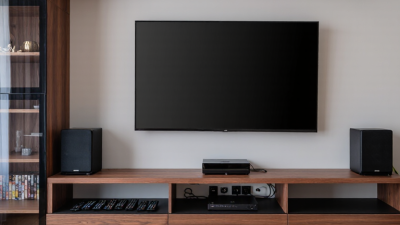
Floating Wood TV Units for Minimalist Rooms

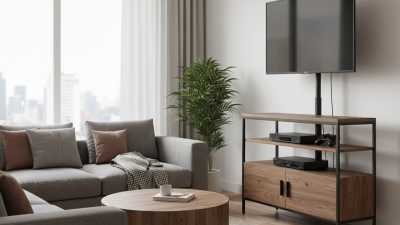
Floating wood TV units bring warmth without closing in a minimalist room.

Their wall-mounted form leaves the floor visible, making compact spaces feel more open. A long, low cabinet works well above pale flooring, while a narrow slatted design adds texture behind the screen. Other options include asymmetrical shelves, concealed drawers, open media niches, corner units, and lift-up storage.

The need for thoughtful media storage is growing. Deloitte’s 2024 Digital Media Trends report found that surveyed U.S. households subscribed to four paid streaming services on average, spending about $61 monthly.

That equipment still needs a home. A floating unit can hide routers, consoles, and cables behind ventilated doors. Leave airflow around heat-producing devices. Do not force every component into one shallow compartment.

I once placed a wall unit too high, and the screen quickly felt uncomfortable. Measure seated eye level first.

The cabinet should also match the wall’s structure, not only its appearance. The U.S. Consumer Product Safety Commission recommends securing TVs and furniture to prevent tip-over injuries. Use suitable fixings for studs, masonry, or reinforced backing. A floating cabinet is not automatically safe. Weight ratings, cable access, and installation quality matter more than polished photographs.

Light oak may soften a stark room, but darker wood can anchor a large open-plan space. Imperfectly, the cleanest design may still need one visible cable for practical access.

Freestanding Wood TV Consoles for Flexible Layouts

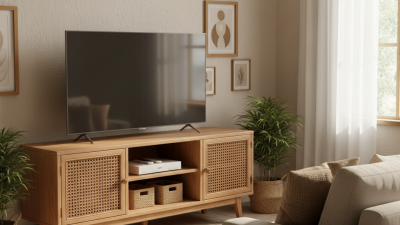
Freestanding wood TV consoles bring warmth without fixing your layout permanently. They can face a sofa today and a reading chair tomorrow. This flexibility suits apartments, open rooms, and homes with changing needs. I prefer consoles with broad, stable bases and adjustable shelves. They support different screen sizes while keeping sound equipment accessible. A low walnut-toned unit creates a calm, horizontal line. A slatted front adds texture without making the wall feel busy.

Seven useful ideas include open shelving, sliding doors, cane-style panels, drawers, raised legs, modular sections, and a compact corner console. Open shelves display books and baskets. Sliding doors hide controllers and cables. Drawers protect small items from dust. Raised legs make cleaning easier, especially under furniture. Modular sections adapt when storage needs grow. Corner designs save valuable floor space. Measure twice.

A practical console should leave ventilation around media devices. Heat trapped behind a closed panel can shorten equipment life. Cable openings should sit near the wall outlet, not across the floor. Choose solid joinery, smooth edges, and a finish that handles daily wiping. If children or pets use the room, secure the television according to the manufacturer’s guidance.

I once chose a beautiful shallow unit that lacked cable depth. It looked right, but function suffered. That mistake still matters. Before buying, mark the console’s footprint with painter’s tape and walk around it. Small clearances often change the whole room.

Built-In Wood TV Walls for Seamless Storage

Built-In Wood TV Walls for Seamless Storage

A built-in wood TV wall can make a living room feel calmer and more intentional. The television sits within a carefully measured composition instead of standing alone on a cabinet. Seven practical directions include a floating console, vertical slat panels, full-height shelving, concealed drawers, asymmetrical niches, sliding doors, and a low bench with open storage.

A floating console keeps the floor visible and makes cleaning easier. Vertical wood slats add warmth while giving cables a discreet route behind the screen. Full-height shelves create space for books, ceramics, and small speakers. Use closed drawers for remotes and gaming equipment. They hide daily clutter.

Measure twice.

Leave ventilation space around electronic equipment. Heat trapped behind panels can shorten its service life. A removable section also helps with future repairs. Choose stable, kiln-dried wood or quality wood veneer, especially in rooms with changing humidity. Wall fixing must match the wall structure and the unit’s weight. This detail is easy to underestimate.

Soft lighting can emphasize the grain without causing screen glare. Warm LED strips work well inside niches, but dimmers improve control at night. I prefer fewer shelves than most plans suggest. Too many displays can make the wall feel busy. One imperfect detail may remain: wood tones can vary slightly between panels. That variation often looks more natural than a perfectly uniform surface.

7 Best Modern Wood TV Unit Ideas for Every Home - Built-In Wood TV Walls for Seamless Storage

A practical comparison of modern wood TV wall concepts, including typical dimensions, storage arrangements, materials, and installation considerations.

No. TV Wall Concept Best For Typical Overall Size Recommended Wood Finish Storage Configuration Cable Management Installation Notes
1 Floating Wood Slat Wall Apartments and compact living rooms that need visual warmth without a bulky cabinet. Width: 180–240 cm
Height: 220–270 cm
Depth: 8–18 cm
Natural oak or walnut veneer with a matte clear finish. One floating shelf or a low wall-mounted console, typically 30–40 cm high. Concealed channels behind the slats can route HDMI, power, and speaker cables. Fix the slat panel and console to structural studs or suitable masonry anchors. Leave ventilation space around electronic equipment.
2 Full-Width Built-In Wood Wall Open-plan rooms where the TV wall should provide generous, seamless storage. Width: 300–500 cm
Height: 230–280 cm
Depth: 35–45 cm
Oak veneer, stained ash, or painted timber cabinetry with wood details. Closed base cabinets, tall side cupboards, and a central recessed TV niche. Use rear cable voids, removable back panels, and ventilation openings inside media compartments. Plan door swings, socket locations, and service access before construction. Wall-to-wall units should allow for floor and wall irregularities.
3 Wood-and-White Minimalist Media Wall Bright interiors and smaller rooms that benefit from a lighter visual profile. Width: 220–360 cm
Height: 210–260 cm
Depth: 30–42 cm
Light wood veneer paired with warm white lacquer or painted MDF panels. Low drawers beneath the TV with open niches for books, décor, or a compact sound system. Cable openings can be concealed behind the TV panel and inside the lower drawers. Use consistent gaps between wood and white panels. A wall-mounted TV helps maintain the clean, floating appearance.
4 Vertical Slat Partition TV Wall Zoning a living area, dining space, or studio without building a fully solid partition. Width: 180–320 cm
Height: 230–300 cm
Depth: 12–25 cm
Oak, ash, or bamboo slats with a low-sheen protective coating. Low freestanding or floating cabinet positioned on the living-room side. Route cables through a concealed service cavity behind the slats or through a dedicated vertical chase. Secure the partition to the floor, ceiling, and adjacent wall where possible. Maintain clear sightlines and avoid blocking heating or ventilation.
5 Fireplace-and-Wood Media Feature Large living rooms that need a strong architectural focal point. Width: 240–420 cm
Height: 230–280 cm
Depth: 35–55 cm
Heat-resistant stone or porcelain around the fireplace with wood cabinetry or veneer sections. Base drawers or cupboards on either side of the fireplace, plus a recessed TV zone above or beside it. Separate electrical and data routes from heat-producing equipment. Provide accessible service panels. Follow the fireplace manufacturer’s clearance requirements. Use suitable heat-resistant materials and professional installation for the fire feature.
6 Asymmetrical Open-Shelf Wood Wall Eclectic or contemporary homes that need display space alongside media storage. Width: 240–400 cm
Height: 220–280 cm
Depth: 28–40 cm
Mixed wood tones, smoked oak, or walnut veneer with contrasting dark backing panels. Closed lower cabinets combined with staggered open shelves for books and decorative objects. Hide wires in the solid backing panel and use grommets inside shelves and cabinets. Keep heavy items on lower shelves. Anchor tall shelving securely and leave adequate airflow around receivers and game consoles.
7 Low-Level Wood Bench TV Unit Low-profile interiors, bedrooms, and homes with a relaxed Scandinavian-inspired layout. Width: 160–300 cm
Height: 45–70 cm
Depth: 35–45 cm
Solid wood, oak veneer, or plywood with visible edge detail and a natural oil finish. Wide drawers, sliding doors, or open compartments arranged below the TV. Rear cutouts and a recessed back panel keep cables organized while preserving the slim silhouette. Use a wall bracket or anti-tip strap for the TV. Confirm that the bench can support the combined weight of equipment and décor.

Dimensions are typical planning ranges rather than fixed specifications. Final measurements should account for the TV size, wall structure, ventilation, power outlets, viewing distance, and available circulation space.

Choosing the Right Wood TV Unit for Your Home

Choosing the right wood TV unit starts with your room, not the television. Measure the wall, screen width, viewing distance, and available walking space. A unit should extend slightly beyond the screen, but it should not make a narrow room feel crowded. Low consoles create a calm, modern look, while wall-mounted units leave more visible floor space.

Consider how you actually use the area. Open shelving suits game consoles and speakers, but closed cabinets hide remotes, cables, and dusty accessories. Drawers work well for small items. Sliding doors can save space in compact homes. Check cable openings before buying. They should align with your sockets and allow airflow around warm equipment. Solid wood feels substantial, while engineered wood may offer better stability in changing indoor humidity.

Wood tone also affects the room’s character. Pale finishes reflect light and suit smaller spaces. Darker timber adds weight and contrast. Look closely at the grain and edges. Poorly finished corners become irritating during daily use. The unit should also stand level on your floor. It sounds minor. It is not.

I once chose a beautiful console that had too little storage, and the television area soon looked untidy. That mistake changed my view of design. Appearance matters, but daily convenience matters longer. Check the unit’s load capacity, ventilation, surface protection, and assembly instructions before committing. Safety fixings are sensible when children or pets share the home.

7 Best Modern Wood TV Unit Ideas for Every Home: Choosing the Right Size

A well-proportioned wood TV unit should be slightly wider than the television it supports. The chart shows the approximate minimum unit width for common 16:9 TV sizes, allowing about 2 inches of clearance on each side.

Measurements are rounded to the nearest inch. For a balanced modern look, choose a wood TV unit at least as wide as the recommendation and consider additional width for speakers, decor, or storage baskets.