What Is the Best Beautiful TV Unit for Your Home?
Choosing the best Beautiful Tv Unit means balancing appearance with the everyday demands of a living room. It should suit the screen, provide practical storage, and leave enough space for movement. A glossy cabinet may look striking in a showroom but show fingerprints at home. Small details matter.
Designer William Morris offered a useful principle: “Have nothing in your houses that you do not know to be useful, or believe to be beautiful.” He was writing about interiors broadly, not television furniture specifically, but his words fit this choice. A good unit should earn its place. Measure the wall, television, and walking space before comparing finishes. Check whether shelves allow airflow around devices and whether cable openings match your setup.
Think about how the room is actually used. Do remotes, game controllers, or books need a home? Will a low cabinet keep the screen at a comfortable viewing height? These questions help narrow the options, from warm oak designs to compact, wall-mounted units. Not every room needs hidden storage. Sometimes, though, clutter returns quickly.
This guide explores materials, proportions, storage, cable management, and style, with practical trade-offs in mind. Product descriptions can be persuasive; dimensions and construction details are more useful. A beautiful finish cannot fix a unit that blocks a doorway or feels unstable. And preferences change. The best choice is the one that works in your room today, while still feeling like yours.
Understanding What Makes a TV Unit Beautiful and Functional
What Is the Best Beautiful TV Unit for Your Home?
Understanding What Makes a TV Unit Beautiful and Functional
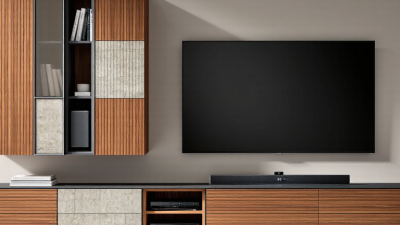
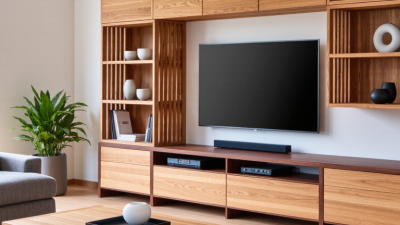
A beautiful TV unit should suit the room, not compete with it. Look at its proportions beside your television, sofa, and other furniture. A unit that is too wide can crowd a small wall; one that is too narrow may look unbalanced. Finish matters, too. Warm wood tones can soften a cool, modern room, while a simple matte surface may blend into a quieter space. Looks are only part. Check that shelves fit your devices and that closed storage can hide loose accessories. Leave enough space around electronics for ventilation, and check the unit’s weight limit before placing equipment on it.
Tips: Measure the wall and television before shopping. Note where outlets sit, and check whether cables can pass through the back panel. If the screen stands on the unit, confirm that its feet fit securely. Small details matter.
The best choice is one you can use comfortably every day. Consider whether drawers open without hitting nearby furniture and whether the screen sits at a comfortable viewing height. In a bright room, a glossy finish may reflect windows more than expected. That can be easy to overlook in a showroom. A little visible cable or an imperfect fit may remain, and that is worth considering before you buy. A practical unit can still feel personal through its shape, texture, and carefully chosen objects on display.
Choosing a Beautiful, Functional TV Unit
Compare screen width with an illustrative console-width guide for common TV sizes.
How to use this guide: Screen widths are calculated from a 16:9 aspect ratio. The console-width bars apply a simple styling rule of adding 6 inches on each side of the screen; treat this as a starting point, then check your room, storage needs, and the unit’s load capacity.
Exploring TV Unit Styles for Different Home Interiors
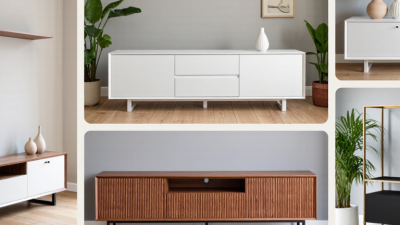
A beautiful TV unit should suit the room around it, not compete with it. In a light, minimalist interior, a low-profile unit with clean lines can keep the space feeling open. A pale wood finish adds warmth without demanding attention. For a traditional room, consider framed doors, deeper wood tones, and simple hardware that echo nearby furniture. Measure twice.
In a small apartment, choose a narrow unit with closed storage for remotes, cables, and game controllers. Wall-mounted designs can free up floor space, but they need secure installation and a suitable wall. In a larger living room, a longer unit can balance a wide screen and provide space for books or ceramics. Keep some surface area clear; crowded shelves can make even a lovely unit feel messy.
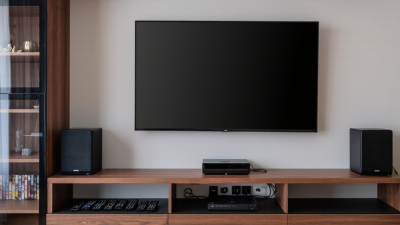
Tips: Check the unit’s width against your TV and leave room for ventilation around electronic equipment. Match its finish to one or two details already in the room, such as a wood floor or cabinet. Matte surfaces tend to show fewer reflections than glossy ones. One compromise is worth considering: open shelving makes devices easy to reach, but cables gather dust and stay visible. A small cable opening helps, though it rarely solves every clutter problem.
Comparing Materials, Finishes, and Construction
A beautiful TV unit should look calm, but its materials determine how well it ages. Solid wood can be sanded and refinished, though it may move with humidity and costs more. Veneered plywood offers a stable core with a real-wood surface; inspect exposed edges for peeling. MDF takes paint smoothly, but water can swell damaged edges. A damp cloth near an unsealed joint is enough to reveal a weak spot. That matters.
Finishes change both appearance and upkeep. Matte surfaces soften glare, while glossy finishes show fingerprints and scratches more clearly. Oil highlights grain but needs periodic care; factory-applied lacquer is easier to wipe, though repairs can be difficult to blend. Construction deserves equal attention: look for reinforced shelf supports, a rigid back, smooth-running drawers, and cable openings that do not leave sharp edges. EPA’s 2018 Advancing Sustainable Materials Management report estimated that about 12.1 million tons of furniture and furnishings entered the U.S. municipal waste stream; only about 0.6 million tons were recycled. The figures are historical, not a forecast, but they underline why repairable parts matter. I’d still check the finish in daylight. A sample can look warmer at home.
Choosing the Right Size, Storage, and Placement
Measure the wall, skirting boards, and cable outlets before choosing a TV unit. Then compare the unit’s width with the television, not just its advertised screen size. A unit extending several inches beyond each side usually looks steadier and leaves space for speakers or a lamp. Measure twice.
Storage should match what you actually use. A games console needs ventilation and a clear cable route; remotes and spare leads can disappear into closed drawers. Check shelf depth against your equipment, including plugs at the back. Houzz’s 2024 U.S. Houzz & Home Study reported a median home-renovation spend of $24,000 in 2023. That figure is not a TV-unit budget, but it is a useful reminder to include furniture in broader room plans.
Placement affects comfort as much as appearance. SMPTE Engineering Guideline EG 18-1994 uses a 30-degree horizontal viewing angle as a reference for theatrical viewing; at home, it can help estimate a comfortable screen distance. For a 16:9 television, that angle is roughly 1.6 screen diagonals away. Keep the screen near seated eye level, and avoid placing it where window glare crosses the picture. A tidy sketch can still miss a power socket or a sofa’s real position. Leave breathing room.
What Is the Best Beautiful TV Unit for Your Home? - Choosing the Right Size, Storage, and Placement
| Room & TV Size |
Suggested Unit Width |
Practical Depth |
Storage to Consider |
Placement Tip |
Style Direction |
Small living room
43-inch TV
Screen width: about 38 in (97 cm) |
48–54 in (122–137 cm) |
14–16 in (36–41 cm) |
One or two drawers for remotes, cables, and small accessories. |
Keep the unit clear of doorways and allow space for cable access and ventilation. |
A low-profile, light-finish unit can help a compact room feel more open. |
Apartment or medium room
55-inch TV
Screen width: about 48 in (122 cm) |
60–66 in (152–168 cm) |
15–18 in (38–46 cm) |
A combination of closed drawers and an open shelf for a streaming device. |
Center the screen on the main seating area and avoid direct window glare where possible. |
Choose simple lines and a finish that complements nearby furniture. |
Family living room
65-inch TV
Screen width: about 57 in (145 cm) |
70–78 in (178–198 cm) |
16–20 in (41–51 cm) |
Multiple drawers or cupboards for games, controllers, and media accessories. |
Leave a small gap around the TV and keep speakers unobstructed. |
A wider unit creates visual balance and provides useful surface space. |
Large open-plan room
75-inch TV
Screen width: about 65 in (165 cm) |
80–90 in (203–229 cm) |
16–20 in (41–51 cm) |
Wide cupboards with adjustable shelves for larger equipment and household items. |
Use the unit to define the media area while keeping a clear route through the room. |
A substantial wood or textured finish can anchor a spacious interior. |
Bedroom or guest room
50-inch TV
Screen width: about 44 in (112 cm) |
54–60 in (137–152 cm) |
14–17 in (36–43 cm) |
Compact drawers for remotes and personal items, with an open section for devices. |
Position the screen for a comfortable seated or reclined view without blocking a wardrobe or walkway. |
A slim unit with concealed storage keeps the room calm and uncluttered. |
Multi-purpose media room
85-inch TV
Screen width: about 74 in (188 cm) |
90–102 in (229–259 cm) |
18–22 in (46–56 cm) |
Broad, ventilated compartments for media equipment, with cable access at the rear. |
Check the viewing distance and wall strength; secure the TV or unit as appropriate. |
A long, low unit creates a balanced base for a large screen. |
|
Quick sizing guide: A TV unit is often visually balanced when it is wider than the screen, commonly by around 6–12 inches (15–30 cm) overall. Measure the available wall space, check the TV’s feet or stand dimensions, and confirm that the unit’s load capacity is suitable. For comfortable viewing, many setups place the screen near seated eye level; the ideal position depends on the sofa, screen size, and room layout.
|
Matching a TV Unit to Your Room and Viewing Needs
What Is the Best Beautiful TV Unit for Your Home?
Matching a TV Unit to Your Room and Viewing Needs
Choose a TV unit around how you actually watch, not just how it looks in a showroom. Measure the wall, screen, and viewing distance before shopping. SMPTE engineering guideline EG 18-1994 uses a 30-degree horizontal viewing angle as a cinema reference. It is not a universal home rule, but it can help you assess whether your screen feels suitably immersive from the sofa. A unit should also be wider than the television, leaving a little visible surface on both sides. That margin makes the setup feel balanced and gives you space for small accessories.
Room shape matters. In a narrow living room, a shallow unit can preserve walking space; in a larger room, closed storage can hide cables and game controllers. Check the unit’s depth against your plugs and cable bends, too. I’ve seen beautiful layouts feel awkward when a cabinet blocks a doorway or leaves devices cramped. Looks matter, but daily reach matters more.
Tips: Sit in your usual spot and measure the screen’s viewing angle before deciding. Check ventilation around electronics, and leave cables easy to reach. A tape outline on the floor helps. It can still mislead, though—door swings and sunlight are easy to forget.