Leave Your Message

China Top 10 Slim Media Cabinet Manufacturers

A Slim Media Cabinet must do more than fit beneath a television. It should manage cables, support equipment, and sit neatly in the available space. China’s furniture manufacturing sector offers buyers many styles, materials, and production options, but supplier capabilities can vary considerably. This guide introduces ten Chinese manufacturers for buyers comparing design, customization, and production experience. Fit comes first.

The companies featured may serve different needs, from compact apartment storage to larger entertainment-room furniture. When reviewing them, look beyond product photos. Check cabinet dimensions, panel materials, hardware, ventilation, finish samples, and packaging details. Ask how measurements are confirmed and how quality checks are handled before shipment. These practical questions can reveal more than a polished catalog.

A suitable supplier should explain its process clearly and provide product information that matches the buyer’s requirements. Request current specifications and confirm lead times, minimum order quantities, and available customization directly with each company. Capabilities and product ranges can change. Details matter.

This list is a starting point, not a substitute for supplier due diligence. Public information may not show every production limitation, and a well-presented sample does not guarantee identical results across a full order. No shortlist is perfect. Compare responses, review samples where possible, and make sure the cabinet’s dimensions and finish suit the intended room. A little extra checking now can prevent an awkward fit later.
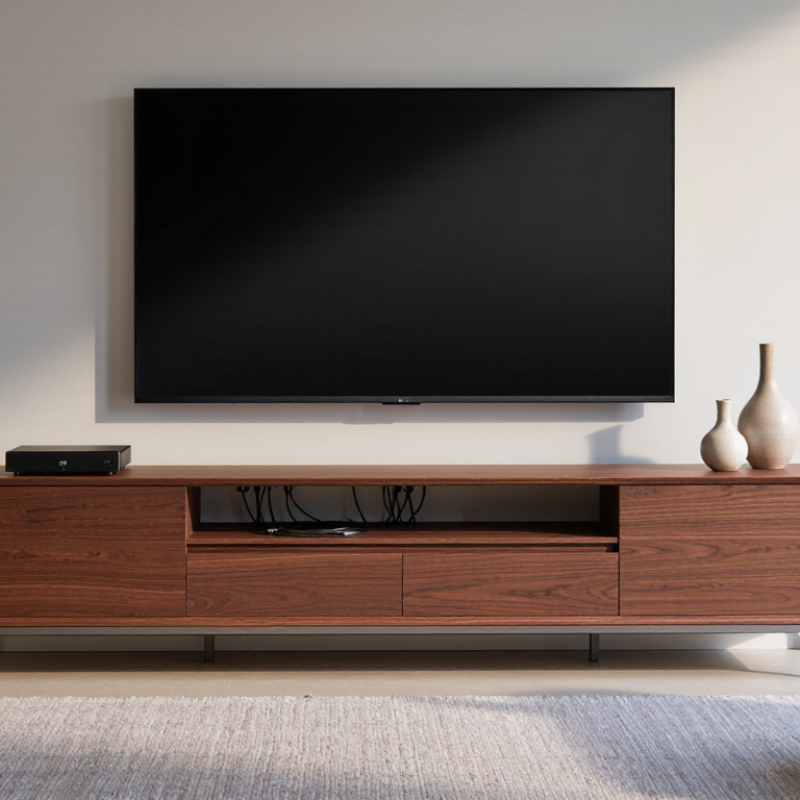
China Top 10 Slim Media Cabinet Manufacturers

What Defines a Slim Media Cabinet and Its Main Features

A slim media cabinet is defined mainly by its shallow front-to-back depth, not simply by its overall width. Many designs measure roughly 10 to 16 inches deep, though dimensions vary. There is no single standard. The right size depends on the equipment it must hold and the room around it.

Check the measurements of each device, including rear plugs and cable bends. A cabinet that fits a streaming box may not suit a deep receiver or game console. Leave space for ventilation, especially around equipment that warms during use. Adjustable shelves, rear cable openings, and removable panels make setup easier. Small details matter.

A narrow profile keeps walkways open and can sit neatly beneath a wall-mounted television. Yet a very slim cabinet may limit storage or trap heat if its compartments are crowded. That trade-off is easy to overlook. Look for stable construction, smooth door movement, and a finish that tolerates regular dusting. Before buying, measure the wall, floor clearance, and devices together; room layouts are rarely as tidy as product photos.
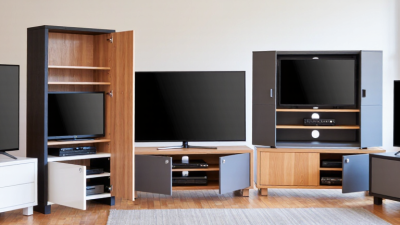
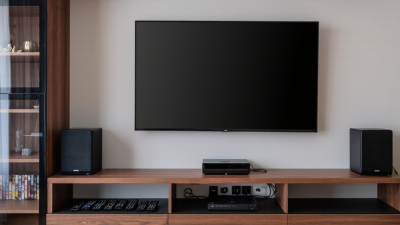
How China’s Slim Media Cabinet Manufacturing Industry Is Structured

China’s slim media cabinet industry is built around a network of specialist suppliers, product developers, and assembly plants. Some manufacturers design cabinet layouts in-house, while others adapt buyer drawings or standard product platforms. This division affects customization, lead times, and who resolves design problems.

A typical project may involve board suppliers, hardware makers, finishing workshops, and final assembly teams. The cabinet body might use laminated engineered wood, with metal brackets, adjustable feet, and concealed cable openings added later. A sample unit can reveal practical issues: a rear panel may block a plug, or a narrow shelf may restrict airflow around a media device. Small details matter.

Factories also differ in their strengths. Larger operations may manage cutting, edge-banding, drilling, and packing under one roof; smaller workshops may rely on nearby subcontractors. Neither structure guarantees better results. Buyers should check material specifications, sample consistency, packaging protection, and inspection records before placing repeat orders.

Measurements deserve special attention: “slim” can mean different depths to different teams. Even a clear drawing may leave room for interpretation. That is an industry weakness worth discussing early, not after cartons are packed.

Criteria for Selecting Leading Slim Media Cabinet Manufacturers

Choosing a slim media cabinet manufacturer requires more than comparing catalog dimensions. Measure the intended wall, skirting board, plug locations, and device depth; a cabinet that looks shallow may still block a socket. Ask for verified product drawings, shelf-load ratings, cable openings, and ventilation details. Receivers and game consoles need airflow, not just tidy doors. Measure twice.

Check how the manufacturer controls material consistency and assembly. Request finish samples, edge-sealing details, and inspection records for drawer alignment and door gaps. For tall, narrow units, ask how stability is tested and whether the cabinet can be secured to a wall. The 2024 Houzz & Home Study reported a $24,000 median U.S. renovation spend for 2023, a useful reminder that replacement costs can make durability worth checking. A polished sample is helpful, but it cannot prove every production batch matches it.

Tips: Request one finished sample or a documented pre-shipment inspection. Confirm packaging protects corners and glass, if included. Compare the quoted dimensions with the usable internal space, especially around cable bends. Ask about spare hardware and finish-matching procedures. Small details matter. Also compare lead times and written quality tolerances; vague promises are difficult to verify later. A perfect checklist is unlikely, and I would still inspect the first delivery carefully.

Profiles of Ten Notable Slim Media Cabinet Manufacturers in China

China’s slim media-cabinet makers serve a broad furniture sector, but public statistics rarely isolate this product category. The National Bureau of Statistics’ 2023 industrial data reported 655.7 billion yuan in operating revenue for furniture manufacturers above designated size. This is useful context, not a slim-cabinet sales estimate. It is an imperfect proxy. Fit comes first: buyers should check cabinet depth, ventilation openings, shelf load, and cable access against their actual equipment.

For a brand-free comparison, ten manufacturer profiles can be distinguished by production strengths: engineered-board specialists focus on precise, flat-pack panels; solid-wood workshops emphasize grain and joinery; metal-frame makers offer slim, open structures; export-oriented factories handle repeat orders and packaging; custom shops adjust widths for tight alcoves. Modular producers make units easier to combine; cable-management specialists add rear access and concealed channels; finish-focused factories document coating options; e-commerce suppliers prioritize clear assembly instructions; project manufacturers coordinate sizes across multi-room orders. These are capability profiles, not a verified ranking of named firms. Ask for drawings, material specifications, and a finished sample before comparing quotations. One detail is easy to miss: a shallow cabinet may look elegant yet leave too little space for plugs or heat to escape.

Screen Width Reference for Slim Media Cabinet Planning

Approximate width of 16:9 television screens by diagonal size—a useful reference when considering cabinet width.

Values are calculated from the 16:9 aspect ratio and rounded to the nearest tenth of a centimetre. They represent screen width only, excluding bezels and stands; they are not measurements of media cabinets.

Manufacturing Trends and Key Considerations for Buyers

China’s slim media cabinet manufacturers are responding to smaller apartments and tighter living rooms. Current production often combines CNC-cut panels, compact packaging, and configurable shelves. Cable openings and rear ventilation slots are becoming practical features, not decorative extras. Some makers offer low-emission finishes, but buyers should request current material and test documentation. A polished sample can hide uneven edge-banding or weak drawer runners. Small details matter. Tall units also need secure anti-tip fittings and clear installation guidance.

Tips: Ask for a dimensioned drawing, load limits, panel thickness, and close-up photos of joints. Measure the skirting board, sockets, and TV cable path before approving a sample. Measure twice. Check carton protection and replacement-part terms; damaged corners can be an avoidable problem.

When comparing suppliers, request a pre-shipment inspection checklist and confirm whether stated dimensions include handles. Clarify tolerances, finish consistency, and how defects are recorded, rather than relying on a showroom sample alone. A written specification makes quotations easier to compare. Still, too many custom options can slow production and complicate replacement parts. Choose useful adjustments over novelty.