Why Choose a Short TV Unit for Small Living Rooms?
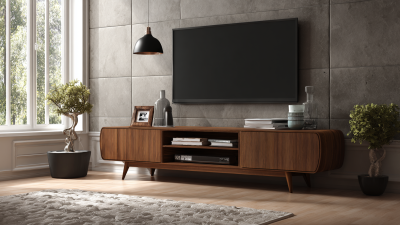
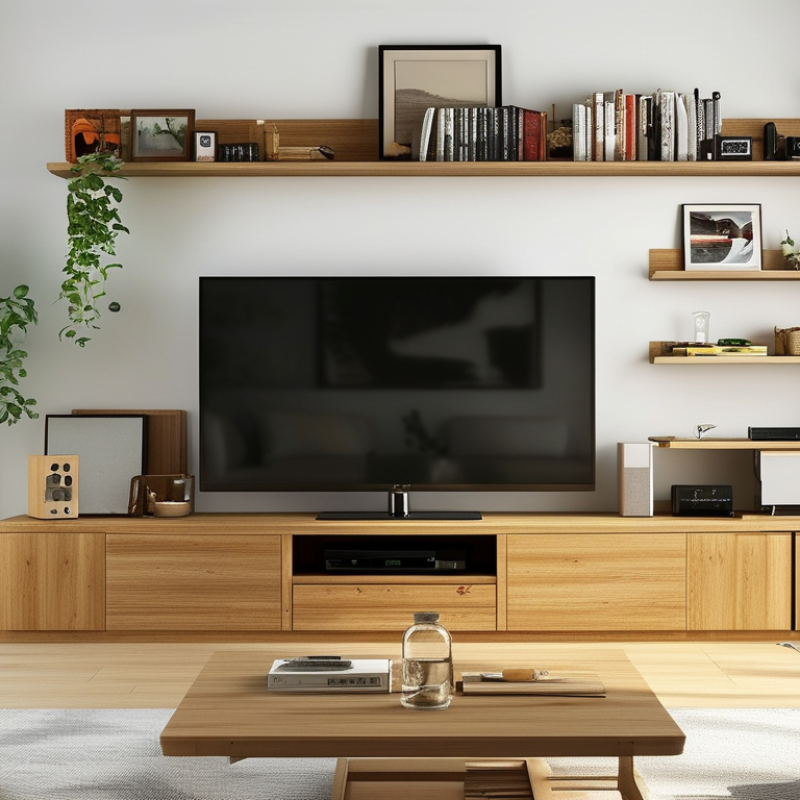
A small living room can feel crowded before any furniture arrives. The television often becomes the visual center, so its cabinet needs careful planning. A Short Tv Unit can preserve walking space while giving the screen a stable, organized base. It usually fits beneath smaller televisions without overwhelming nearby walls. That balance matters in apartments, studio homes, and compact family rooms.
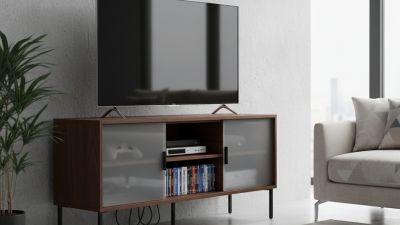
Small details make a noticeable difference. Measure the wall, television width, viewing distance, and nearby doors before choosing a unit. Leave enough clearance for ventilation and easy cable access. Open shelves can hold a soundbar, router, or two carefully selected books. Drawers can hide remotes, game controllers, and loose charging cables. A raised base may also make the floor appear more open. It feels lighter.
From practical room planning experience, low furniture can improve sightlines and reduce visual clutter. However, a shorter unit is not automatically better. Some models offer limited storage, weak cable management, or insufficient depth for modern equipment. That limitation deserves honest attention. Check the unit’s load capacity and construction materials. Wood veneer, engineered board, and solid wood perform differently over time. Reliable retailers should provide clear measurements, assembly guidance, and warranty information. The best choice supports everyday habits, not only attractive photographs. Consider the sofa height, screen position, and children’s reach. A thoughtful Short Tv Unit can make a compact room calmer, safer, and more usable without pretending to solve every space problem.
What Is a Short TV Unit?
Why Choose a Short TV Unit for Small Living Rooms?
What Is a Short TV Unit?
A short TV unit is a compact media console designed for limited wall space. It usually measures about 90 to 140 centimeters wide. Its height often stays between 40 and 60 centimeters. This low profile keeps the screen visually balanced without making the room feel crowded.
However, “short” is not a universal industry measurement. The practical definition depends on room width, viewing distance, and storage needs. In my experience, a unit can look small online but feel bulky beside a sofa. Measure the wall first. Leave clear space around doors, vents, and walking paths.
The 2023 American Community Survey estimates that nearly 29% of U.S. households contain one person. This supports demand for smaller, more adaptable furniture. CSIL’s World Furniture Outlook 2024 also identifies compact urban living as an important furniture market trend. A short TV unit can serve this lifestyle with drawers, open shelving, or cable access. Yet storage should remain realistic. A narrow cabinet may not hold game equipment, books, and speakers together. That mistake is easy to make.
For better viewing, place the screen near eye level when seated. Keep cables hidden, but do not block ventilation openings. A simple wood finish, pale color, or raised base can create more visual space. I would not choose a short unit only because it looks minimalist. It must fit the room’s daily habits.
Key Space-Saving Benefits of a Short TV Unit
Why Choose a Short TV Unit for Small Living Rooms?
Key Space-Saving Benefits of a Short TV Unit
A short TV unit can make a compact living room feel less crowded. Its reduced width leaves more visible floor around the seating area. This improves walking space beside a sofa or coffee table. In a room measuring three metres wide, even 30 centimetres matter. The open floor can also make cleaning easier.
Short units usually create a lighter visual profile. This helps prevent the television wall from dominating the room. Choose a unit with closed storage for remotes, game controllers, and spare cables. Fewer visible items make the space look calmer. It works best when the unit matches the wall’s scale.
Measure carefully before buying. Allow space for ventilation and safe cable bends behind the screen. A unit that is too short may look unbalanced. That is the catch. The television should not extend far beyond the cabinet edges. A practical guideline is to keep the screen centred, with modest space on both sides. Wall-mounted screens can add more clearance, but the wall must support the fixing system. Real homes are rarely perfectly square, so check skirting boards, sockets, and door swings. A short TV unit saves space, but thoughtful proportions save the room.
How to Choose the Right Size and Style
A short TV unit can make a small living room feel calmer, but the size must fit the screen, wall, and viewing distance. Measure the television first. A 55-inch, 16:9 screen is about 48 inches wide, so a 52–60-inch unit usually looks balanced. Keep at least a few inches of clearance on both sides. Measure twice.
Viewing distance matters more than fashion. SMPTE Engineering Guideline EG 18-1994 recommends a horizontal viewing angle near 30 degrees for comfortable cinema viewing. In a compact room, place the sofa so the screen does not dominate your eyesight. The CTA’s 2024 U.S. Consumer Technology Ownership Study reports that televisions remain present in roughly nine out of ten households. More screens are entering smaller spaces, yet many units still look oversized. That matters.
Choose a unit with closed storage if cables, controllers, and speakers gather quickly. Open shelves feel lighter, but they expose clutter. A wall-mounted style can visually increase floor space, while short legs make cleaning easier. Leave ventilation around media equipment. Avoid selecting a unit only because its color matches the floor; glossy surfaces can reflect windows and lamps. My first measurements are often too optimistic. Account for skirting boards, power sockets, and door swings. A slightly narrower unit may work better than a perfect-looking one that blocks circulation.
Why Choose a Short TV Unit for Small Living Rooms?
Recommended TV-unit width compared with common 16:9 television screen sizes
A short TV unit can make a compact living room feel more open while still providing stable support and useful storage.
The recommended minimum unit width is calculated as the screen width plus 20 cm of clearance, allowing approximately 10 cm on each side.
Choose a low-profile unit with closed storage for a cleaner look and measure the wall, viewing distance, and cable access before buying.
Practical Placement and Organization Tips
A short TV unit can make a small living room feel wider and easier to use. In my experience, placement matters more than decoration. Measure the wall, walking path, and sofa width before choosing furniture. Leave at least 60 centimetres for comfortable movement near the unit. Keep the screen close to eye level when seated. This reduces neck strain during longer viewing sessions.
Place the unit against the most practical wall, not automatically the largest one. Avoid windows when possible, because strong daylight creates glare and fades the viewing experience. A low unit can sit beneath the screen while preserving visual space above it. Choose drawers for remote controls, cables, and small devices. Open shelves work better for items that need airflow. Do not overcrowd them. Empty space is useful storage too.
Cable management needs early planning. Use clips or a concealed channel to keep wires away from children and pets. Leave ventilation gaps around electronic equipment, even inside a compact cabinet. I once pushed every device into one narrow compartment, and the heat buildup was noticeable. That choice looked tidy but was poorly considered. A small basket can hold controllers, while one labeled box stores spare cables. Keep heavier equipment on lower shelves for stability. The perfect arrangement may take two attempts. That is normal.
Why Choose a Short TV Unit for Small Living Rooms? - Practical Placement and Organization Tips