10 Best Rattan TV Console Tables for Stylish Homes
A Rattan Tv Console Table can soften a living room without hiding its practical job: holding a television, organizing cables, and keeping remotes close. The woven texture adds warmth beside smooth screens and painted walls. Still, rattan is not automatically the right fit for every home. Dust can settle in the weave, and open doors may reveal a tangle of cables.
Architect Frank Lloyd Wright wrote, “Form and function should be one, joined in a spiritual union.” His design principle offers a useful lens for choosing a console: appearance matters, but so do proportions, storage, and everyday use. Measure your television and wall before shopping. Check shelf dimensions, cable openings, door clearance, and whether the frame feels stable on your flooring. Small details matter.
This guide explores 10 rattan TV console tables for different room sizes and decorating styles, from compact apartments to spacious family rooms. It considers visible materials, storage layouts, and the balance between woven fronts and solid surfaces. Some consoles look airy in product photos but may feel bulky in a narrow room. That deserves a second look. A beautiful texture cannot fix poor scale. The best choice is the one that suits your space, supports your equipment, and feels easy to live with—not just easy to admire.
What Is a Rattan TV Console Table?
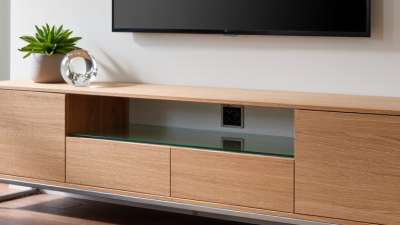
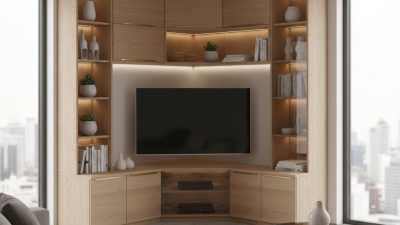
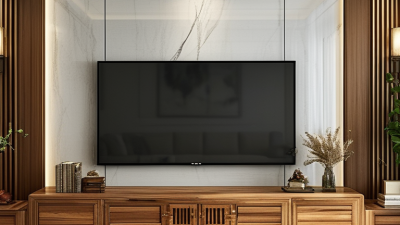
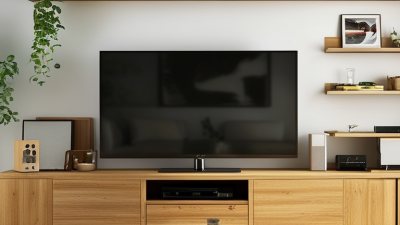
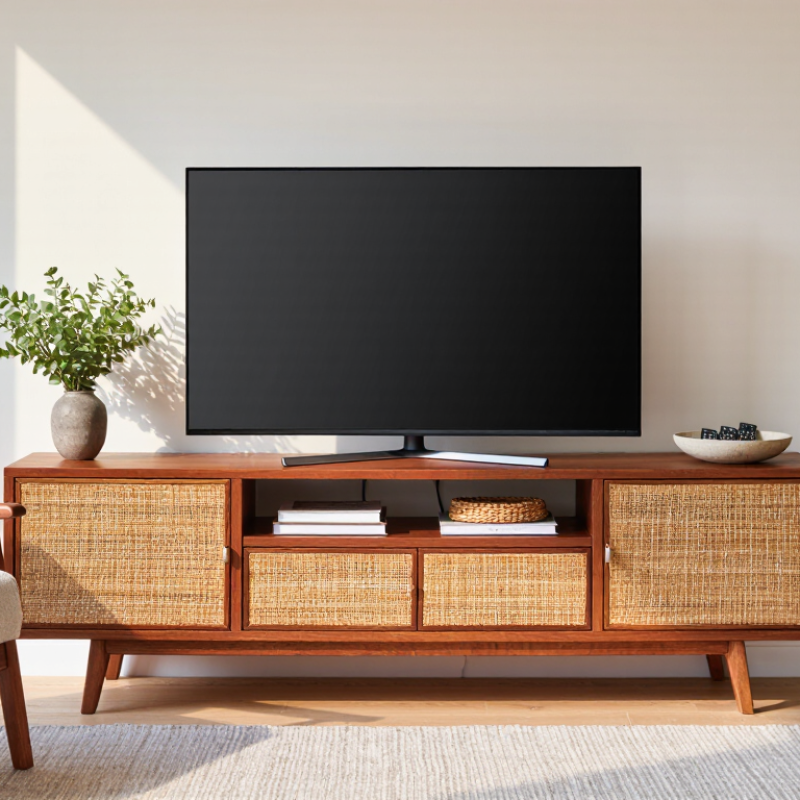
A rattan TV console table is a low cabinet designed to support a television and organize nearby equipment. Its doors or drawer fronts feature woven rattan, while the frame may be made from wood, engineered board, or metal. The weave adds texture and softens the hard lines of screens and electronics. Not just decoration.
Natural rattan comes from a plant, while some consoles use synthetic woven fibers. Check the product details so you know which material you are choosing. Shelves and cupboards can store streaming devices, controllers, and cables. Open-backed sections may help equipment stay ventilated, but the amount of airflow varies by design. Measure your TV base and available wall space; a cabinet can look spacious online and still feel cramped at home.
A sturdy top, level feet, and a discreet cable opening matter as much as the weave. Dust can settle between strands, so a soft brush is often more practical than a wet cloth. Worth checking. Rattan varies in color and pattern, giving each piece a slightly irregular finish. That variation can feel warm, or look untidy beside very sleek furniture. The style is not perfect for every room, and it deserves a second look before you commit.
Choosing a Rattan TV Console: Suggested Width by TV Size
Use this sizing guide to help choose a console that gives your TV a balanced look. Screen widths are calculated for a 16:9 display; suggested console widths add 6 inches for approximately 3 inches of extra space on each side. These are planning estimates, not measurements of specific products.
Materials and Construction Used in Rattan TV Consoles
Rattan TV consoles usually pair woven panels with a sturdier supporting frame. Natural rattan comes from climbing palms and is commonly used as cane webbing on doors or drawer fronts. Frames may use solid wood, engineered wood, or a mix of both. The frame matters: it supports the television and helps doors stay aligned through daily use. A tight weave feels firm, while loose strands can snag or shift.
Some consoles use synthetic rattan, which can be easier to wipe clean and less sensitive to humidity. Natural cane has a warm, varied texture, but it should not sit in damp conditions. Look closely at the panel edges, corner joints, and shelf supports. Small differences in a handwoven pattern are normal. They can add character, though uneven gaps may collect dust. Ventilated doors also allow heat from game consoles and media players to escape.
Tips: Check the listed shelf load before placing heavy equipment inside. Run a hand gently over the weave for rough ends, and inspect the back for cable openings. A beautiful console can still be inconvenient if cords have nowhere to pass.
Features to Consider When Choosing a Rattan TV Console
A rattan TV console should fit the room and the equipment it will hold. Measure the television’s feet, not just its screen, and leave a little extra surface on both sides. Check the console’s stated weight capacity against the TV, speakers, and stored devices. Rattan describes the woven finish, not necessarily the frame; ask whether the structure is solid wood, engineered wood, or metal. That detail affects stability and repair options.
Small details matter. Look for tight, even weaving, smooth edges, and reinforced joints, especially around doors and legs. Open shelves help devices stay ventilated, while rear cutouts make cables easier to route.
Safety deserves attention, too.
A 2021 U.S. Consumer Product Safety Commission report recorded 469 furniture tip-over deaths between 2000 and 2019. Choose a broad, level base, and use a wall-anchoring strap when appropriate. Check that doors open without catching the weave, and confirm the shelves suit your components’ depth.
Natural rattan can be sensitive to moisture and direct sunlight, so consider the room’s conditions before choosing a finish. Synthetic weave may be easier to wipe clean, but it can still show wear. One trade-off is easy to miss: a beautiful woven front may limit access to ports. Check the back panel before buying.
10 Best Rattan TV Console Tables for Different Homes
A rattan TV console can suit very different homes, but size and storage matter as much as appearance. In a compact apartment, choose a low, narrow cabinet with sliding doors. It keeps the walkway clear and hides remotes, cables, and game controllers. Measure the wall and the television first. Measure twice. Leave space around the screen and allow enough room for ventilation near electronics.
For a busy family room, look for sturdy legs, a stable top, and closed storage that limits visual clutter. Open shelves make routers and consoles easier to reach, though they collect dust. Check the console’s weight limit before placing a large television on it. In a cottage or relaxed bedroom, woven rattan fronts add texture without making the room feel heavy. A lighter finish can brighten a dim corner; darker wood tones often feel more grounded.
Open-plan homes benefit from longer consoles that visually anchor the seating area. Choose one with adjustable shelves if your equipment varies in height. For a rental, a freestanding design is easier to reposition than built-in cabinetry. Rattan is not maintenance-free: dust the weave with a soft brush, and keep it away from persistent dampness. A detail I would reconsider is choosing purely by photographs; weave color and texture can look different in person. Check dimensions and care instructions before ordering.
How to Style and Care for a Rattan TV Console
A rattan TV console brings warm texture to a living room, so keep nearby decor simple. Pair its woven doors with a ceramic lamp, a few books, or a shallow stoneware bowl. Leave some surface visible. Too many small objects can make the weave feel busy. A symmetrical arrangement may look neat, but it can also feel stiff; try shifting the lamp off-center and balancing it with a low stack of books.
Check the console’s size and ventilation before styling. Leave space around the television and any devices that produce heat. Keep cables gathered behind the unit, but do not block vents or squeeze cords against sharp edges. For a relaxed look, use a basket beside the console for spare throws or controllers. Make sure the doors and drawers still open easily.
Care is gentle. Dust the weave with a soft brush or vacuum attachment on low suction, especially along the edges where crumbs collect. For a small mark, use a lightly damp cloth, then dry the area promptly. Avoid soaking rattan or applying harsh cleaners; moisture can weaken natural fibers or leave stains. Keep the console away from strong direct sunlight and heating vents, which may fade or dry the material. Woven furniture can have slight variations, and that is part of its charm. Still, check loose strands now and then, before they snag on clothing.