
Leave Your Message

What Are the Top Slim Media Cabinet Suppliers in China?

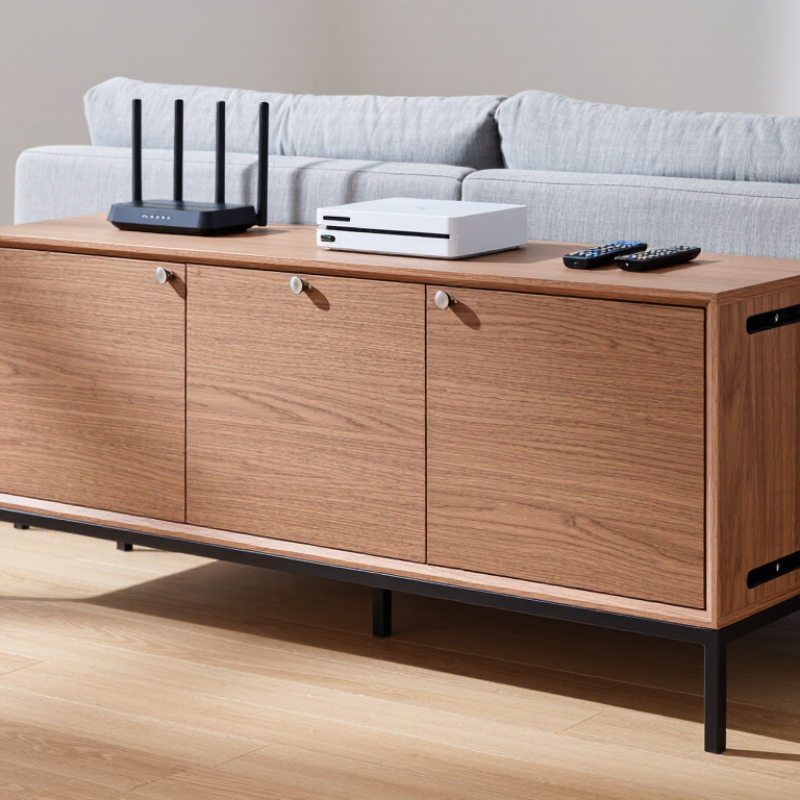
Choosing a reliable Slim Media Cabinet supplier in China requires more than comparing catalog prices. The right partner combines stable materials, precise production, practical design, and responsive communication. This guide examines suppliers through a buyer’s lens, using details that affect daily use. Think of a narrow cabinet beside a sofa, holding a router, game console, and remote controls without blocking floor space. We consider board thickness, edge sealing, ventilation, cable openings, hardware quality, and packaging protection. Small gaps can become expensive complaints. A low quotation can hide weak cartons, inconsistent colors, or difficult assembly.

The supplier comparison also considers factory experience, customization capacity, quality-control procedures, and export reliability. Evidence matters. Product samples, inspection records, material declarations, factory audits, and recent customer references provide stronger assurance than polished photographs. Buyers should confirm dimensions, load limits, moisture resistance, lead times, payment terms, and after-sales support in writing. Certifications can help, but they should be checked for scope and validity. No ranking is permanent. Production teams change, costs shift, and an impressive showroom may not reflect current output. I may overlook a capable regional manufacturer, so this overview should support—not replace—direct verification. The strongest suppliers are not simply the cheapest. They communicate clearly, repeat quality consistently, and solve problems before shipment. That standard gives retailers, interior brands, and importers a more dependable path toward a Slim Media Cabinet range that looks refined, functions safely, and arrives ready for the market.
What Are the Top Slim Media Cabinet Suppliers in China?

What Defines a Slim Media Cabinet Supplier in China?

A slim media cabinet supplier in China is defined by more than a narrow product profile. The supplier should understand ventilation, cable routing, wall clearance, and load distribution. In practical inspections, I check whether a 120-millimeter cabinet leaves enough space for devices and plugs. Small design errors can cause heat buildup or unstable installation. A reliable supplier explains these risks clearly.

Material control is another important measure. Ask for board specifications, edge-banding details, hardware samples, and finish testing records. Moisture-resistant panels matter in humid rooms, while adjustable shelves improve daily use. Suppliers should also provide accurate drawings, carton dimensions, assembly instructions, and sample approval procedures. Clear documents reduce costly misunderstandings.

Production consistency separates capable suppliers from attractive catalogs. Review factory photographs, inspect pilot samples, and compare several batches for color and gap uniformity. Quality teams should record measurements instead of relying only on visual checks. Export experience, responsive communication, and realistic lead times also matter. I once valued a low quotation too highly; the final packaging needed improvement. That mistake showed why supplier evaluation must include protection, not just appearance. A thoughtful Chinese supplier welcomes questions and admits limitations. That is often more trustworthy than perfect sales language.


How to Identify Reliable Slim Media Cabinet Manufacturers

What Are the Top Slim Media Cabinet Suppliers in China?

How to Identify Reliable Slim Media Cabinet Manufacturers

Choosing a reliable slim media cabinet supplier requires more than comparing online prices. According to Grand View Research, the global home furniture market reached about US$556.8 billion in 2023. This scale attracts many trading companies and short-term workshops. Ask whether the supplier owns its factory, controls production, and provides recent audit records. A video tour helps, but it is not proof.

Request a complete specification sheet before ordering samples. It should show board density, edge sealing, hardware materials, cable openings, and maximum load. For narrow cabinets, stability matters. Check anti-tip fittings and test the cabinet on an uneven floor. The supplier should provide inspection records, material reports, and packaging photos. Certifications must match the destination market. Generic certificates are a warning sign.

The China National Furniture Association emphasizes quality control and standardized production across the furniture sector. Still, factory claims need verification. Order one sample first. Measure every panel and inspect the rear cable channel by hand. I once accepted attractive photos too quickly; the delivered finish looked duller than expected. That mistake still matters. Compare sample quality with mass-production controls, including color consistency, moisture protection, and carton drop testing. Confirm lead times in writing, but leave room for delays during peak seasons. Reliable manufacturers answer technical questions clearly, even when the answer is inconvenient.

How to Identify Reliable Slim Media Cabinet Manufacturers

This neutral sourcing scorecard highlights the main factors buyers should verify when comparing slim media cabinet suppliers in China. Product quality and testing receive the highest weighting, followed by manufacturing capability, material traceability, export documentation, and after-sales support.

Which Chinese Regions Produce Slim Media Cabinets?

China’s slim media cabinet production is concentrated in several regional furniture clusters, not one single manufacturing city. Guangdong remains a major source, especially around Foshan, Dongguan, and Zhongshan. Factories there commonly offer powder-coated steel frames, engineered wood panels, cable openings, and small-batch customization. Guangdong’s mature export infrastructure also supports faster container handling and accessory sourcing.

Zhejiang, particularly Ningbo, Hangzhou, and Huzhou, is strong in panel furniture, hardware, and flat-pack production. Jiangsu, including Suzhou and Nanjing, supplies precision-machined boards and higher-finish residential furniture.

Fujian and Shandong also produce slim cabinets, often combining local wood-processing capacity with regional logistics networks. The China National Furniture Association’s industry statistics show these coastal provinces remain central to China’s furniture manufacturing and export activity. CSIL’s World Furniture Outlook 2024 estimates China contributes roughly 37% of global furniture production, confirming the scale behind these clusters.

For buyers, regional strength should not replace factory verification. A cabinet may look narrow in photographs but lose usable space through thick back panels or oversized hinges. Ask for a side-section drawing, carton dimensions, material test records, and a sample with real cable equipment. China Customs data and supplier export records can help confirm actual shipment experience, although they do not prove quality. My practical concern is simple: production clusters improve sourcing efficiency, but quality still varies sharply between nearby factories. That part is easy to underestimate.

What Certifications and Services Should Buyers Evaluate?

When evaluating slim media cabinet suppliers in China, buyers should verify certifications before comparing prices. ISO 9001 indicates a documented quality system, but it does not guarantee perfect furniture. Ask whether the certificate covers the actual factory and product category. For wood-based panels, FSC documentation can support responsible sourcing. CARB Phase 2 or TSCA Title VI evidence may matter in the United States. Exporters serving Europe may need appropriate material and electrical compliance documents. A certificate number alone is not enough. Check the issuing body, validity date, factory address, and product scope.

Services reveal practical supplier experience. Request a pre-production sample with the intended board thickness, edge banding, hinges, cable openings, and surface finish. Inspect it under normal indoor lighting. Small defects become obvious there. Reliable suppliers should provide drawings, material lists, carton tests, assembly instructions, and inspection photos. Third-party inspection is useful before shipment, especially for first orders. Confirm whether the supplier supports customized dimensions, flat-pack packaging, replacement parts, and clear claims handling. A written lead-time schedule helps, but delays still happen during peak seasons.

Do not judge service quality from fast replies alone. Ask for batch traceability and a corrective-action report when defects appear. One weakness is easy to miss: a strong sample may hide weak packaging. Test corner protection and drop resistance. Suppliers that explain limitations openly are often more dependable than those promising everything. Payment terms, minimum order quantities, and after-sales response times should be recorded before production begins.

How to Compare the Top Slim Media Cabinet Suppliers in China?

What Are the Top Slim Media Cabinet Suppliers in China?

How to Compare the Top Slim Media Cabinet Suppliers in China?

China remains a major furniture sourcing market. CSIL’s World Furniture Outlook 2024 estimates that China represents roughly one-third of global furniture consumption. China’s National Commercial Information Center reported furniture retail sales of about RMB 146.4 billion in 2023. These figures show scale, but scale does not guarantee reliable cabinet production.

Compare suppliers through measurable details. Request drawings showing cabinet depth, shelf spacing, cable openings, and wall-clearance requirements. A slim unit should usually stay below 350 millimeters deep, but confirm equipment ventilation needs. Ask for material thickness, edge-banding quality, hardware cycle tests, and shelf-load results. For engineered panels, request formaldehyde-emission reports using recognized methods such as EN 717-1 or ASTM E1333. Ask for evidence.

Samples expose flaws. Check whether doors align after repeated opening, whether veneer edges lift, and whether the rear panel bends under cable pressure. I have seen attractive samples fail during carton-drop testing. That mistake is expensive. Compare packaging drawings, drop-test records, inspection photographs, and replacement policies. Do not judge suppliers only by the lowest quotation. Request the same specification from every factory, including hardware, finish, packaging, and minimum order quantity.

Production capacity also needs verification. Ask for monthly output, current lead times, subcontracting details, and a recent quality-control checklist. The best comparison includes a pre-production sample, an independent inspection, and a written tolerance range. Some factories provide excellent prototypes but inconsistent mass production. That gap deserves careful questioning.

What Are the Top Slim Media Cabinet Suppliers in China? - How to Compare the Top Slim Media Cabinet Suppliers in China?

Comparison Dimension Profile A: Stock-Focused Supplier Profile B: Custom OEM Supplier Profile C: Project-Oriented Manufacturer What Buyers Should Verify
Primary Strength Fast delivery of standard slim media cabinets with limited design changes. Flexible development of cabinet dimensions, finishes, hardware, and packaging. Coordinated production for hospitality, residential, retail, or multi-room projects. Match the supplier profile with the required order quantity, customization level, and delivery schedule.
Typical Product Depth Approximately 250–400 mm Approximately 220–450 mm, subject to engineering approval Approximately 250–500 mm, depending on project specifications Confirm external depth, internal usable depth, wall clearance, cable space, and ventilation space.
Common Construction ParticleboardMDFMetal fittings MDFPlywoodSolid wood options MDFPlywoodMetal framesMixed materials Request material specifications, board density, moisture resistance, edge treatment, and hardware details.
Customization Capability Low to moderate; usually limited to color, handle, and minor size changes. High; suitable for drawings, prototypes, private-label packaging, and coordinated finish samples. High; suitable for multiple sizes, room layouts, installation requirements, and project schedules. Ask for a drawing review process, prototype policy, tooling charges, and engineering change procedures.
Common Order Quantity Low MOQ may be available for existing designs and finishes. MOQ commonly increases for custom colors, dimensions, and packaging. Usually more suitable for medium or large orders with scheduled production. Obtain the MOQ separately for stock items, customized products, and each finish or color.
Sample Process Existing sample or pre-production sample from a standard design. Technical drawing, material sample, prototype, and pre-production approval are commonly used. May include sample-room approval, mock-up review, installation checks, and project sign-off. Confirm whether the sample cost is refundable and whether the approved sample is retained as the quality standard.
Expected Production Planning Generally faster when the product and materials are already available. Requires additional time for design confirmation, material sourcing, sampling, and production. Requires coordinated scheduling for components, packaging, inspection, and shipment milestones. Request a written production schedule covering approval dates, manufacturing, inspection, and loading.
Quality-Control Evidence Basic incoming-material and finished-product checks should be available. Should provide inspection records for dimensions, surface finish, hardware, assembly, and packaging. Should provide documented quality plans, batch inspection records, and corrective-action procedures. Ask for inspection checklists, defect classifications, photos, and the process for handling rejected goods.
Packaging Options Standard export carton packaging for regular products. Customized cartons, labels, protective materials, and assembly instructions may be available. Project-specific packaging may be designed for container loading, installation sequence, and site handling. Check carton dimensions, drop protection, moisture protection, labeling, and container utilization.
Export Documentation Commercial invoice, packing list, and standard shipping documents. May support customized documentation, product specifications, and packaging marks. May support shipment schedules, consolidated packing lists, installation documents, and project records. Confirm the supplier's ability to provide the documents required by the destination market and importer.
Key Technical Risks Limited ventilation, insufficient cable management, or differences between stock photos and actual finishes. Dimensional errors, finish inconsistency, delayed sample approval, or unapproved material substitutions. Coordination errors between cabinet dimensions, room layouts, installation conditions, and shipment batches. Use approved drawings, signed specifications, material samples, and pre-shipment inspection criteria.
Best Fit For Small trial orders, standard retail products, and buyers prioritizing speed. Private-label products, differentiated designs, and buyers requiring flexible customization. Large residential, hospitality, commercial, or multi-location furnishing programs. Compare at least three quotations using the same specification, quantity, packaging standard, and delivery term.
Recommended Evaluation Weight Price 25% · Delivery 25% · Quality 25% · Flexibility 15% · Documentation 10% Quality 25% · Customization 25% · Price 20% · Delivery 20% · Documentation 10% Project capability 25% · Quality 25% · Delivery 20% · Price 20% · Service 10% Adjust the weighting according to your order size, sales channel, compliance needs, and after-sales risk.
Comparison note: The profiles above are anonymous supplier categories rather than company or brand rankings. Actual MOQ, pricing, lead time, materials, certifications, and production capacity vary by product specification, order volume, season, and shipping destination. Buyers should verify all commercial and technical data directly through quotations, samples, drawings, and third-party inspections.