Leave Your Message

How to Choose the Best Corner TV Cupboard for Global Buyers?

Choosing the right Corner Tv Cupboard is not simply a matter of matching wood tones or cabinet doors. Global buyers must consider room size, television dimensions, cable access, ventilation, shipping conditions, and assembly requirements. A cabinet may look elegant online, yet feel oversized in a compact apartment. Measure the corner twice. Leave space for plugs, airflow, and future equipment.

Furniture designer and storage specialist Martin Lawrence Bullard advises, “Good furniture should support daily life without demanding attention.” This principle suits every Corner Tv Cupboard. The best model hides cables neatly, supports the television securely, and offers practical storage for consoles, remotes, books, or sound equipment. Buyers should inspect load capacity, hinge quality, surface finish, and material descriptions. Solid wood, engineered board, and veneer perform differently across humid, dry, or coastal climates.

Small details matter. A rear cable opening can prevent tangled wires. Adjustable shelves can accommodate changing devices. Rounded edges may suit homes with children. However, online product information is sometimes incomplete. That deserves caution. Ask the supplier for exact measurements, carton dimensions, installation guidance, and replacement-part policies. Confirm whether the Corner Tv Cupboard arrives assembled or flat-packed. Import duties and regional safety expectations may also affect the final cost.

No choice is perfect. A beautiful cabinet can still lack ventilation. A low price can hide weak hardware. This guide compares these practical factors clearly, helping buyers select a Corner Tv Cupboard that works beyond the product photograph.
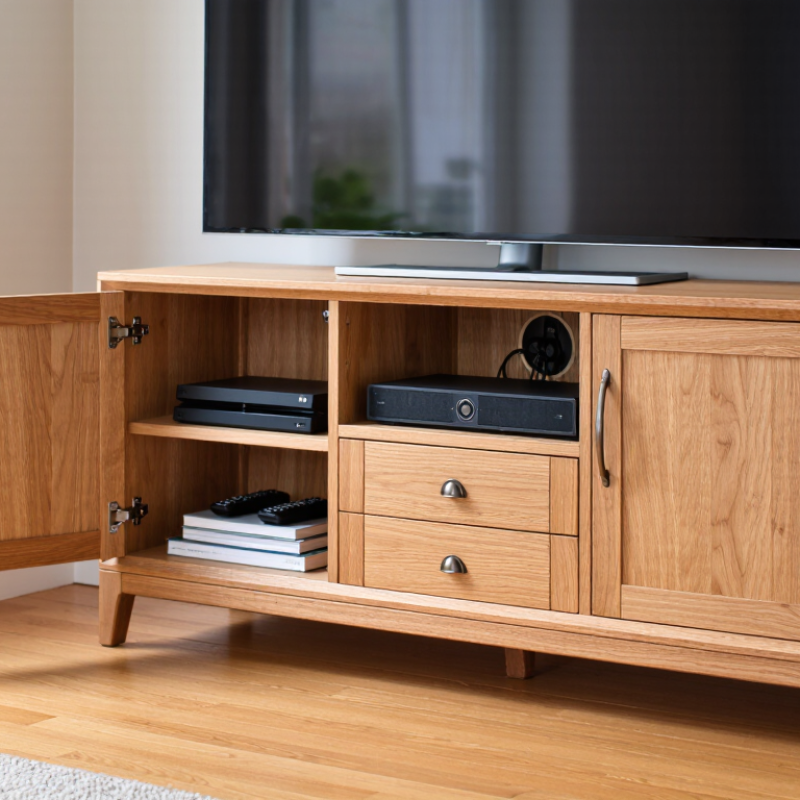
How to Choose the Best Corner TV Cupboard for Global Buyers?

What Is a Corner TV Cupboard and Why Does It Matter?

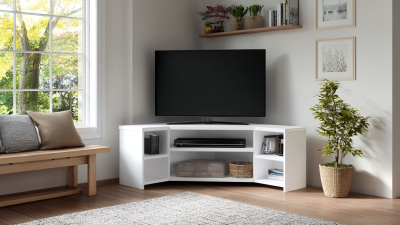
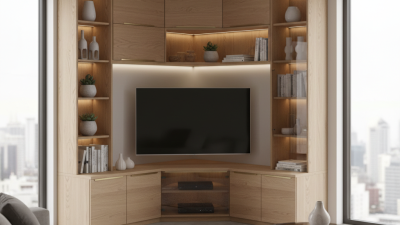
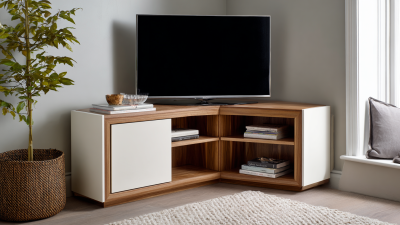
A corner TV cupboard is a storage unit designed to fit tightly into a room’s corner. Its angled or triangular shape uses space that often remains empty. Unlike a simple TV stand, it may hide consoles, cables, remotes, and media equipment behind doors. It can also create a cleaner viewing area in smaller apartments, bedrooms, or open-plan homes.

Its design matters because a television needs stable support and safe airflow. Measure the corner, screen width, viewing height, and door clearance before choosing one. Measure twice. A cabinet that fits the corner may still block a window, heater, or walkway. Leave ventilation space around electronic devices, especially when doors close tightly. Open cable holes at the rear make installation easier and reduce tangled wires.

Material choice also affects long-term reliability. Solid wood offers strength, while engineered panels can provide consistent dimensions and easier maintenance. Check shelf load ratings, hinge quality, surface finish, and resistance to humidity. Global buyers should review local electrical, furniture safety, and fire-resistance requirements before importing or installing a cupboard. Packaging deserves attention too; weak corner protection can damage a cabinet during transit.

A neat appearance can hide practical problems. Dark interiors may make cables difficult to see. Glossy surfaces show fingerprints quickly. I would also question whether decorative doors restrict remote signals. These details are easy to miss during online shopping. Product drawings, assembly instructions, and verified measurements provide stronger evidence than attractive photographs alone.

Which Dimensions and Layout Suit Your Room?

How to Choose the Best Corner TV Cupboard for Global Buyers?

Room layout should guide the cupboard size, not the television alone. The Consumer Technology Association’s 2024 ownership study reports that about 87% of U.S. households own a television. Yet room shapes vary widely across markets. Measure the corner twice, including skirting boards, sockets, and door movement. A 55-inch 16:9 television is about 122 centimeters wide. Choose a cupboard at least 10–15 centimeters wider than the screen. It looks steadier and leaves space for cables.

Viewing distance matters more than fashion. SMPTE recommends a minimum horizontal viewing angle of about 30 degrees for an immersive display. For a 55-inch screen, that suggests roughly 2.3 meters from sofa to screen. Not every room allows this. My first layout often looks too ambitious on paper. A shallow corner unit, around 35–45 centimeters deep, may protect the walking path better than a larger cabinet. Keep the screen center near seated eye level, usually 95–110 centimeters from the floor.

Leave ventilation gaps around media equipment. Allow at least 5 centimeters above heat-producing devices, unless the equipment guide requires more. A rear cable opening prevents sharp bends and messy extensions. In homes with children or uneven floors, secure the cupboard and television against tipping. Corner angles are deceptive. Use cardboard templates before ordering, and test whether cabinet doors can open without touching nearby furniture.

How to Choose Materials, Styles, and Storage Features

Material choice starts with climate, load, and repairability. For humid homes, sealed plywood or moisture-resistant engineered wood can reduce swelling around floor-level corners. Solid wood offers repair potential, but seasonal movement may open joints. That detail matters. Grand View Research valued the global furniture market at USD 516.66 billion in 2022. Its Furniture Market Size report projects 5.2% annual growth through 2030. Growing choice does not guarantee better construction. Check panel thickness, edge sealing, hinge strength, and the cupboard’s stated load rating.

Measure the corner before choosing a style. A low, closed unit suits minimalist rooms and hides routers, game consoles, and spare cables. Slatted doors improve airflow but collect dust. Floating designs look lighter, yet wall fixing must match masonry or stud construction. Adjustable shelves are more useful than decorative compartments. Leave ventilation space around heat-producing devices. A simple cable opening at the rear can prevent sharp bends and tangled wires. Do not assume every universal design fits every television base.

Material sourcing also deserves attention. The U.S. Environmental Protection Agency reported 12.1 million tons of furniture and furnishings entering the American waste stream in 2018. Durable construction can delay replacement, although “eco-friendly” labels need verification. Ask for recycled content, responsible-wood documentation, and formaldehyde-emission testing, such as applicable E1 or TSCA Title VI requirements. I would avoid choosing only by appearance. Glossy surfaces show fingerprints quickly, while dark textured finishes can make small corners feel heavier. A slightly imperfect grain may age more honestly.

How to Choose the Best Corner TV Cupboard for Global Buyers? - How to Choose Materials, Styles, and Storage Features

Evaluation Dimension Recommended Option Typical Specification Main Advantages Important Considerations Best For
Cabinet Width Compact corner unit 90–120 cm wide Fits smaller apartments and bedrooms Check that the TV base does not extend beyond the top surface Small rooms and urban homes
Cabinet Width Medium corner unit 120–160 cm wide Balances screen support and storage capacity Measure doorways, stairways, and elevator access before purchase Most living rooms
Cabinet Width Large corner unit 160–200 cm wide Provides generous media and decorative storage Requires a larger corner and stronger packaging protection Large family rooms and open-plan interiors
Overall Height Low-profile design 45–60 cm high Creates a relaxed viewing angle and a modern appearance The screen center should remain comfortable for seated viewing Contemporary living rooms
Corner Geometry 45-degree angled back Designed for standard room corners Uses corner space efficiently and improves front-facing alignment Verify the corner angle and available wall clearance Square or rectangular rooms
Main Material Engineered wood panel Typically 15–18 mm panels Consistent dimensions, broad design flexibility, and efficient production Choose moisture-resistant panels for humid environments Value-focused residential projects
Main Material Solid wood Commonly 18–25 mm structural parts Natural grain, repairability, and a durable premium appearance Higher weight, cost, and potential movement with humidity changes Classic, rustic, and premium interiors
Main Material Metal frame with wood or glass panels Steel or aluminum support structure Strong visual lines, good stability, and an industrial style Check coating quality, edge safety, and corrosion resistance Industrial and modern interiors
Surface Finish Melamine or laminate finish Textured, wood-effect, or solid-color surface Easy to clean and available in many decorative patterns Inspect edge sealing and resistance to heat and moisture Everyday family use
Storage Layout Open shelves 2–4 adjustable or fixed shelves Fast access and strong ventilation for media devices Visible cables and dust may require more maintenance Gaming consoles and streaming equipment
Storage Layout Closed doors 2–4 hinged or sliding doors Conceals clutter and protects contents from dust Allow clearance for door movement and remote-control signals Minimalist and tidy living spaces
Cable Management Rear cable ports One or more cable openings, usually 50–70 mm Improves cable routing and keeps equipment organized Ports should align with sockets and allow ventilation Multi-device entertainment systems
Ventilation Ventilated back panel Open back, slots, or perforated panel Helps heat escape from receivers, consoles, and media players Do not block ventilation openings during installation High-use electronic equipment
Safety Anti-tip hardware Wall strap or fixing bracket supplied Reduces the risk of tipping, especially in homes with children Select fixings suitable for the actual wall material Family homes and rental properties
International Purchasing Flat-pack construction Knock-down panels with assembly fittings Reduces shipping volume and simplifies handling Confirm assembly instructions, hardware labeling, carton strength, and local safety requirements Cross-border retail and e-commerce distribution
Buyer Checklist: Measure the corner, TV base, doorways, and power-socket locations; compare load capacity, cable access, ventilation, finish durability, anti-tip protection, and packaging requirements before making a purchase.

What Safety and Quality Standards Should Global Buyers Check?

How to Choose the Best Corner TV Cupboard for Global Buyers?

A corner TV cupboard must remain stable when the television sits near its edge. Check the stated load capacity, not only the product photographs. The rating should exceed your television’s weight with a reasonable safety margin. Look for anti-tip fittings, strong rear panels, and adjustable feet for uneven floors. A small wall anchor can prevent a serious accident.

Ask for test reports from an independent laboratory accredited to ISO/IEC 17025. Relevant furniture tests may cover stability, strength, durability, and glass impact resistance. Standards such as EN 14749 or comparable local requirements can provide useful reference points. Requirements differ between markets, so confirm the rules for the destination country. Do not treat a familiar certificate as universal approval.

Material safety also deserves attention. Request formaldehyde emission data for engineered wood, especially for bedrooms or small apartments. Check that coatings resist peeling, moisture, and ordinary household cleaning. Doors should close without sharp edges, and cable openings should have smooth covers. If the cupboard includes lighting or charging features, verify electrical compliance for the buyer’s voltage and plug system. Packaging must protect corners from crushing during long-distance shipping. I have seen attractive units fail because their back panels were too thin. That detail is easy to miss. A careful buyer should also inspect assembly instructions, replacement hardware, and the clarity of the warranty before placing a large international order.

How to Compare Suppliers, Prices, and Shipping Options?

How to Choose the Best Corner TV Cupboard for Global Buyers?

Supplier comparison should begin with evidence, not attractive product photos. Request factory details, material specifications, moisture content, load testing, and recent quality records. A reliable supplier should explain board density, edge finishing, hinge durability, and packaging design clearly. Ask for a sample packed like the final shipment. My own mistake was comparing unit prices before checking carton damage rates. The cheapest quote became expensive after replacements.

Compare at least three written quotations using the same specifications. Include cupboard dimensions, finish, assembly level, minimum order quantity, tooling fees, and payment terms. Separate product cost from export packing, inland transport, insurance, duties, and delivery charges. The World Bank’s Logistics Performance Index 2023 evaluates customs, infrastructure, tracking, and timeliness. These factors can matter more than a small factory discount. Confirm the Incoterm carefully. “Delivered” may still exclude local taxes or unloading fees.

Shipping deserves practical attention. UNCTAD’s Review of Maritime Transport 2024 states that over 80% of global merchandise trade by volume moves by sea. Sea freight usually suits bulky furniture, but port congestion can extend delivery windows. Request both sea and rail options when available. Check carton measurements against container capacity, not only product dimensions. Ask for a booking history or carrier schedule. Also verify replacement procedures for scratched panels and missing hardware. Suppliers may promise a perfect lead time. Reality is less tidy. Build a modest buffer.