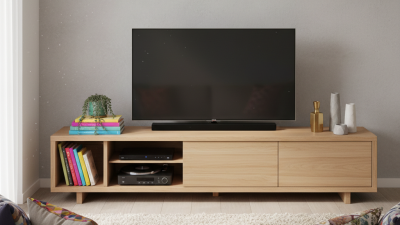
How to Choose the Right Slim Media Cabinet for Your Space?
Choosing the right Slim Media Cabinet can transform your living space. This versatile piece blends functionality and style, helping to declutter your area. With limited space, a slim design is practical. However, selecting one involves thoughtful consideration.
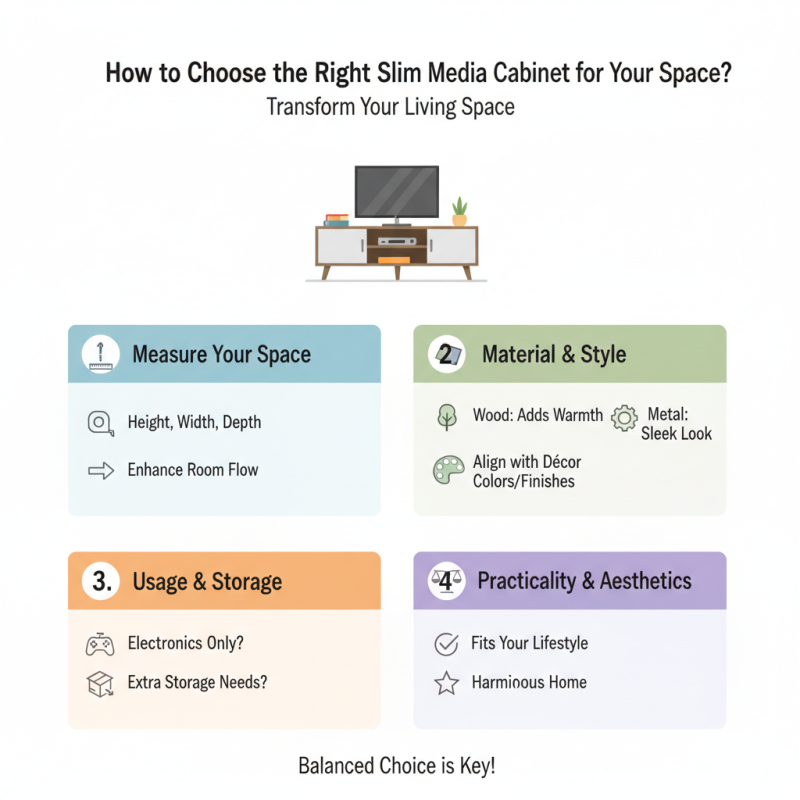
When shopping, measure your space carefully. A well-fitted cabinet can enhance room flow. Pay attention to the cabinet's height, width, and depth. The material matters too; wood may add warmth, while metal offers a sleek look. Colors and finishes should align with your existing décor.
Think about usage too. Will it hold just electronics, or do you want extra storage? Not all cabinets suit every need. Take your time to reflect on what works for you. Sometimes, the most stylish option might not fit your lifestyle. Consider practicality along with aesthetics. A balanced choice is key for a harmonious home.
Understanding Your Space Requirements for a Slim Media Cabinet
When choosing a slim media cabinet, start by evaluating your space. Measure your room precisely. Note the dimensions of the area where the cabinet will sit. Consider the height, width, and depth. A cabinet too high could overwhelm a small room. One that’s too low may feel disproportionate.
Think about the layout of your furniture. A slim cabinet should fit seamlessly into your décor. It should not obstruct pathways or block natural light. Pay attention to wall color and texture. A mismatched cabinet can clash with your design. Reflect on how you’ll use the cabinet. Will it hold a TV, gaming equipment, or books? This will influence its dimensions and compartments.
Also, consider storage needs. Not all slim cabinets offer ample space for everything. You may need additional shelves or compartments. Balance aesthetics with functionality. A beautiful cabinet can be impractical if it doesn’t serve your needs. Sometimes, it's about compromising style for purpose. Choosing the right cabinet should enhance your space, not complicate it.
How to Choose the Right Slim Media Cabinet for Your Space?
| Dimension |
Suggested Size (Width x Height x Depth) |
Ideal Room Type |
Storage Capacity |
| Compact |
30” x 30” x 12” |
Small Living Room or Bedroom |
2-3 devices |
| Standard |
50” x 30” x 14” |
Medium Living Room |
4-6 devices |
| Large |
70” x 30” x 16” |
Large Living Room or Home Theatre |
6+ devices |
| Narrow |
40” x 50” x 10” |
Hallway or Entryway |
1-2 devices |
Evaluating the Style and Design Compatibility with Your Interior
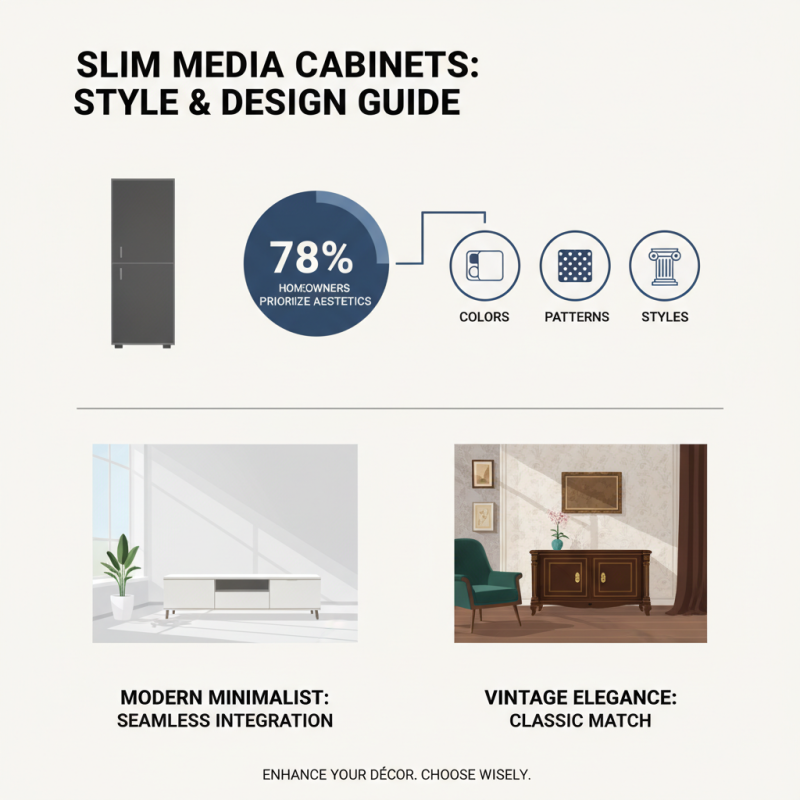
When choosing a slim media cabinet, style and design compatibility with your interior is crucial. A recent survey indicates that 78% of homeowners prioritize aesthetics in their furniture choices. A sleek cabinet can enhance your décor, but it may clash with other elements. Consider the existing colors, patterns, and styles in your space. For example, a minimalist cabinet may not fit well in a vintage-themed room.
The cabinet's material matters too. Wood adds warmth, while metal provides a modern touch. Research shows that 63% of consumers prefer wood for its durability and classic appeal. Yet, too many wood pieces can create a heavy look. Mix textures mindfully to achieve balance. Integrating glass doors can lighten a space but may require frequent cleaning.
Keep in mind the size of your room. A large cabinet can overwhelm a small space. A slim profile can offer a stylish solution without sacrificing function. But overloading it with media devices can lead to an uncomfortable setup. Reflect on your needs to avoid regret after your purchase. Thoughtfully evaluating design compatibility can lead to a harmonious living environment.
Assessing Storage Capacity and Organizational Features
When choosing a slim media cabinet, storage capacity is crucial. Think about what you plan to store. Do you have a lot of DVDs, game consoles, or books? These factors will shape your decision. A cabinet with adjustable shelves can adapt as your collection grows or changes. This flexibility can be invaluable for organizing different items more efficiently.
It's also essential to consider organizational features. Look for cabinets with cable management solutions. Hidden cables create a cleaner look and reduce clutter. Some cabinets offer compartments for remote controls or media accessories. These small details can greatly enhance the overall functionality.
Choosing the right size is another challenge. A cabinet too large may overwhelm a small space. Conversely, a tiny cabinet may not fit your needs. Measure carefully before making a decision. Sometimes, a cabinet may seem perfect on paper, but its real-world application is a different story. Don't rush—reflect on your lifestyle and storage needs before deciding.
Material and Durability Considerations for Long-Term Use
When selecting a slim media cabinet, consider the materials used in its construction. Different materials provide varying levels of durability. For instance, solid wood offers a classic look and long-lasting strength. It withstands daily wear and tear beautifully. However, it can be heavier and more expensive.
On the other hand, engineered woods like MDF can be more affordable. They often come in stylish finishes but might not last as long as solid wood. They can easily chip or warp over time. Think about the climate where you'll place the cabinet. Humidity levels can affect material performance. Metal cabinets are another option. They can be sleek and modern but may scratch easily.
Durability also involves checking the cabinet's joints and hardware. Weak connections can compromise your cabinet's lifespan. Poor construction might lead to frustration down the line. When buying, some details are easy to overlook. Quality matters, and not just aesthetics. It’s wise to invest in a piece that meets your needs.
Budgeting and Price Comparison for Slim Media Cabinets
When selecting a slim media cabinet, budgeting is crucial. Research from the Home Furniture Index suggests that prices can vary widely. On average, expect to spend between $150 and $800. High-quality options often fall between $300 and $600. This price range reflects the materials, design, and features of the cabinets.
Many consumers forget to factor in delivery and assembly costs. These can add an extra $50 to $200. So, it's wise to include these fees when budgeting. Some cabinets are easier to assemble than others, which can save you time and stress. Consider assessing your comfort level with DIY tasks before making a purchase.
Tip: Always compare prices online and in-store. Websites like Wayfair and Overstock often have sales. Also, check customer reviews for insights on durability. Remember, the style matters. An attractive budget-friendly cabinet can enhance your room's look while keeping costs low. Aim for balance, and don't rush; this decision affects your space.