How to Choose the Best Extra Large Fireplace for Your Home?
When it comes to creating a cozy atmosphere in your home, an Extra Large Fireplace can be a game changer. This feature not only provides warmth but also enhances the visual appeal of your living space. Choosing the right model involves multiple considerations, from size and style to efficiency and safety.
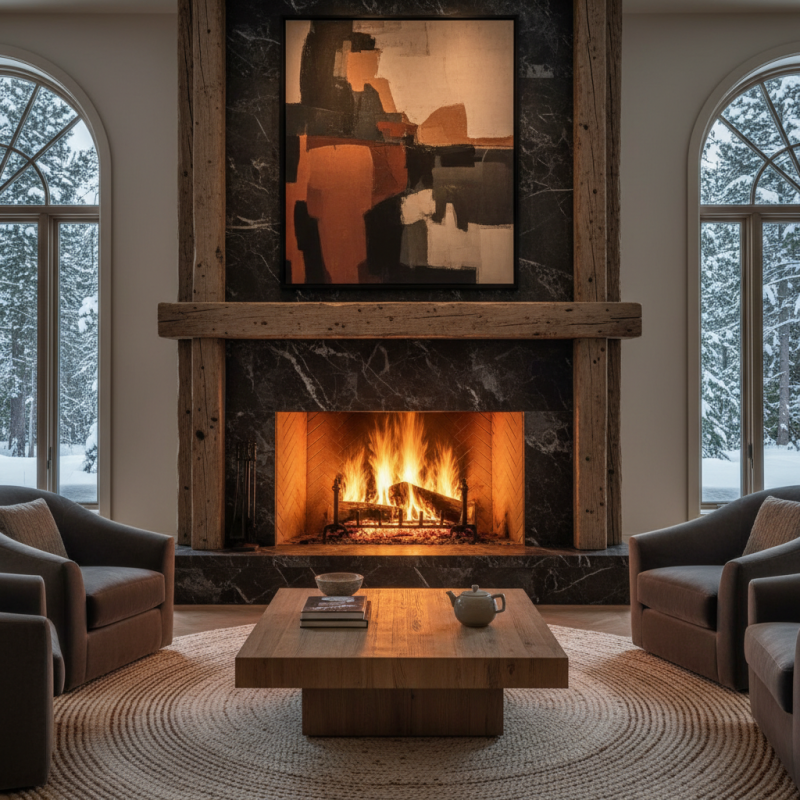
Imagine a grand fireplace as a focal point in your room. Its size can dramatically impact the feel of the space. An Extra Large Fireplace often requires specific proportions and placements, which can be challenging. You want it to blend with your decor, not overshadow it.
Consider the type of fuel as well. Options include wood-burning, gas, or electric models. Each has its pros and cons. Reflecting on your needs helps. Will you use it for ambiance or primary heating? Understanding your desires will lead you to the best fit. While the selection process can be overwhelming, it will also be rewarding.
Understanding the Different Types of Extra Large Fireplaces Available
Choosing the right extra large fireplace involves understanding your options. Different types are available, each offering unique features. Traditional wood-burning fireplaces provide a classic aesthetic. They require maintenance and a proper chimney. You can enjoy the authentic crackle of wood, but smoke can be an issue.
Gas fireplaces offer convenience and efficiency. They ignite with a switch, eliminating the hassle of logs. However, some may miss the natural ambiance of a wood fire. Electric fireplaces are the easiest to install. They don’t require venting and come with various styles. Still, they may lack the same warmth and flicker as other types.
Consider your space and usage. Each type has pros and cons. Think about how often you will use the fireplace. Will it be for ambiance or heating? Reflecting on these questions helps narrow down your choices. The right fireplace can enhance your home’s comfort and style.
How to Choose the Best Extra Large Fireplace for Your Home?
| Type of Fireplace |
Fuel Source |
Heating Capacity (BTU) |
Dimensions (L x W x H) |
Efficiency Rating |
| Wood-Burning Fireplace |
Wood |
60,000 BTU |
48 x 36 x 32 inches |
75% |
| Gas Fireplace |
Natural Gas / Propane |
50,000 BTU |
50 x 40 x 30 inches |
85% |
| Electric Fireplace |
Electricity |
40,000 BTU |
52 x 38 x 28 inches |
95% |
| Pellet Stove |
Wood Pellets |
47,000 BTU |
46 x 30 x 32 inches |
80% |
| Ethanol Fireplace |
Ethanol Fuel |
25,000 BTU |
45 x 34 x 30 inches |
No emissions |
Evaluating Heating Capacity: BTUs and Room Size Considerations
When selecting an extra large fireplace, evaluating heating capacity is essential. BTUs, or British Thermal Units, indicate how much heat a fireplace produces. A higher BTU value means more warmth. However, it's crucial to match this with your room size. A space that’s too small for the fireplace can become uncomfortably hot. Conversely, a large room may remain chilly if the BTUs are insufficient.
Consider your home’s layout and insulation. An open concept space may require a fireplace with a higher BTU. However, if your walls lack insulation, heat loss may occur quickly. This can lead to inefficiency, causing you to use more fuel or energy than necessary. Sometimes, users overlook ventilation needs too, thinking it's a minor detail. A fireplace needs proper airflow for optimal performance.
Measuring your room accurately is vital. Don't skip this step. Use a tape measure to calculate square footage. Remember, extra large fireplaces often come with specific requirements. If you ignore these guidelines, the fireplace might not perform as expected. Evaluating your needs can create a warm, inviting atmosphere, but it requires careful thought and consideration.
Heating Capacity of Extra Large Fireplaces
Material Choices: Comparing Brick, Steel, and Cast Iron Fireplaces
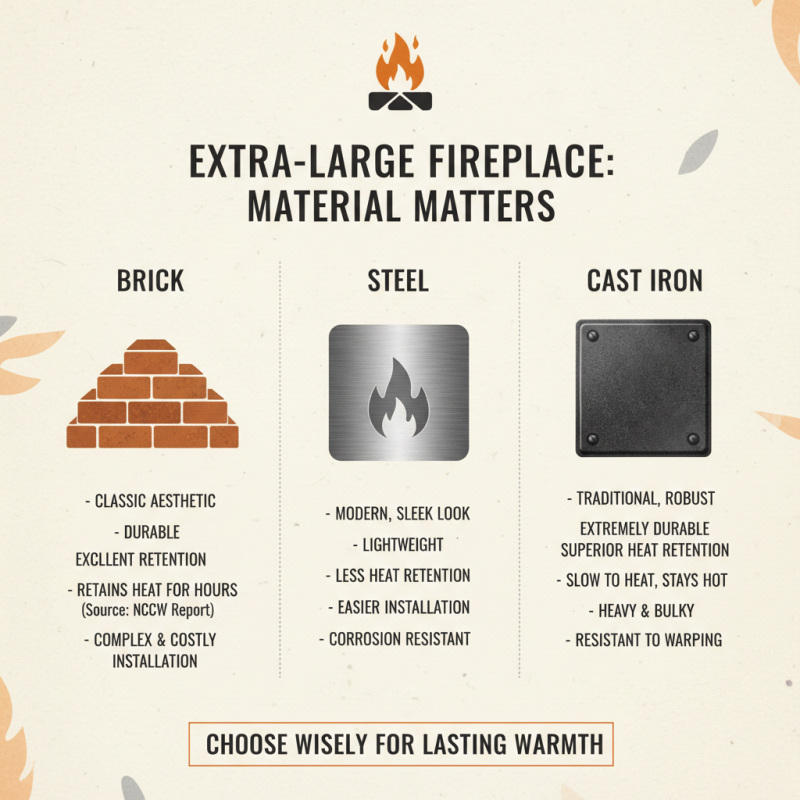
When choosing an extra-large fireplace, material selection is crucial. Brick, steel, and cast iron are popular choices, each with distinct characteristics. Brick fireplaces often bring a classic aesthetic. They are durable and provide excellent heat retention. According to a report by the National Center for Cold Weather, brick can retain heat for hours, making it efficient for extended use. However, installation can be complex and costly.
Steel fireplaces are known for their modern design and quick heat-up capabilities. They are lightweight, making installation simpler. A 2021 study by the American Society of Heating and Air-Conditioning Engineers noted that steel is effective in radiating heat. However, they can require regular maintenance to prevent rust and deterioration over time. This can deter some homeowners looking for low-maintenance options.
Cast iron offers a robust solution. It excels in heat retention, radiating warmth long after the fire has died. A survey from the Home Builders Association revealed that 40% of homeowners prefer cast iron for its longevity. Yet, its weight can complicate installation and may necessitate additional support. Reflecting on these materials helps ensure you make a well-informed choice for your home's aesthetic and heating needs.
Design Integration: How to Match Your Extra Large Fireplace with Home Aesthetics
Choosing the right extra-large fireplace is not just about size. It's crucial to consider how it integrates with your home design. A fireplace can become a focal point in a room. Ensure it complements your existing decor style. This creates a harmonious flow in your space.
Tips: Think about the color palette of your room. A black or white fireplace might blend seamlessly with a modern aesthetic. For a rustic home, wood finishes can enhance the overall look. Don’t forget about the materials; stone and brick can add texture and warmth. These choices can significantly impact the room's energy.
The placement of your fireplace also matters. Consider its proximity to furniture and focal points. You want it to draw attention without overwhelming the space. Experiment with different positions. Sometimes, unexpected placements work better. Reflect on how each option affects the room’s balance.