2026 Best Extra Large Fireplace Options for Your Home?
When it comes to home design, the fireplace often serves as the heart of the living space. An Extra Large Fireplace not only provides warmth but also enhances the aesthetic appeal of your home. In the chilly months, it becomes a gathering spot for family and friends. Choosing the right model is crucial, as it affects the overall ambiance.
There are various options on the market in 2026 that cater to diverse tastes. From sleek, modern designs to rustic, traditional styles, the choices abound. Each type of Extra Large Fireplace offers unique benefits and challenges. It is important to consider factors such as installation, fuel type, and maintenance.
As you explore the best Extra Large Fireplace options for your home, keep your specific needs in mind. Reflect on your space and how the fireplace will fit into it. The perfect choice might not come easily, but that’s part of the journey. Take your time and weigh the pros and cons of each option. A well-chosen fireplace can transform your home into a welcoming retreat.
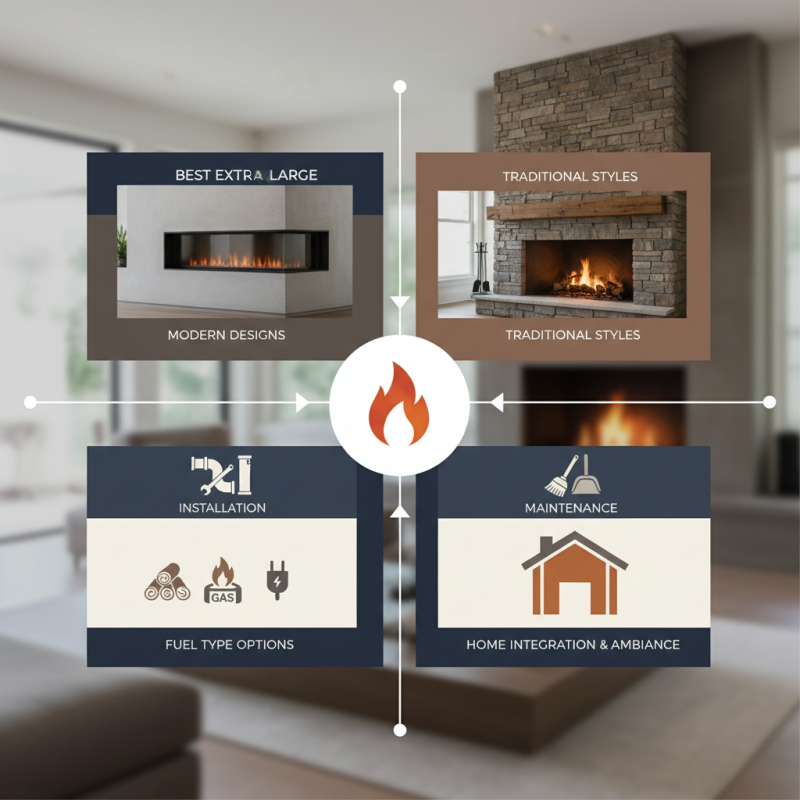
Factors to Consider When Choosing an Extra Large Fireplace
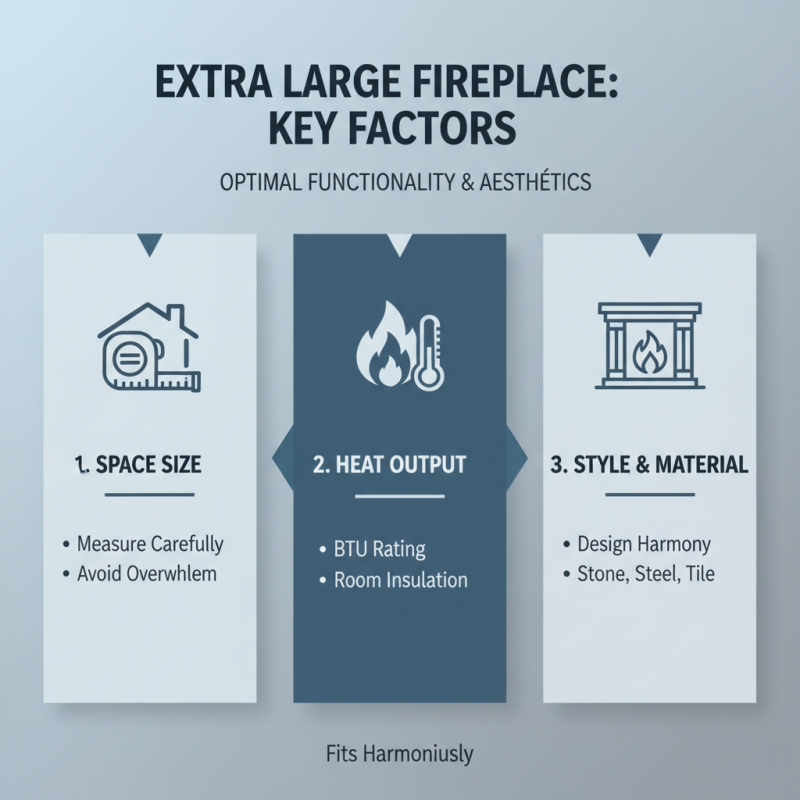
When selecting an extra large fireplace for your home, consider various factors for optimal functionality and aesthetics. Start with the size of your space. An oversized fireplace can dominate a small room, feeling overwhelming. Measure carefully to ensure it fits harmoniously within your environment.
Also, think about the fuel type. Wood-burning options provide a traditional charm but require more maintenance. Gas fireplaces are cleaner and easier to use, but they can lack the same cozy appeal. Take time to weigh these options based on your lifestyle.
**Tip:** Consider venting options as well. A direct vent may offer better efficiency and safety compared to a traditional chimney.
Materials play a vital role in durability and design. Stone, brick, and metal offer different visual effects. Consider how these materials will complement your home's existing decor. You might find some designs visually striking but impractical for use.
**Tip:** Always factor in the installation process. Some fireplaces need more structural support, which can alter your budget.
Lastly, explore safety features. Look for designs that enhance protection against sparks and heat. This may not seem crucial, yet it can prevent costly damages or accidents. Your fireplace should promote warmth without compromising safety.
Types of Extra Large Fireplaces: Traditional vs. Modern Designs
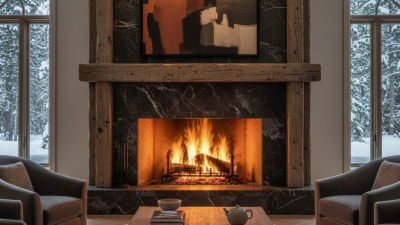
When choosing an extra large fireplace, the design plays a crucial role. Traditional fireplaces often feature brick or stone materials. They create a rustic, cozy atmosphere. These designs usually have ornate mantels and classic shapes. They can complement historical homes beautifully.
Modern fireplaces, on the other hand, use sleek lines and innovative materials. Glass and metal are popular choices. Such fireplaces can blend seamlessly with contemporary decor. They often have minimalist designs, focusing more on the fire itself. This can create a striking focal point in a room.
Tips: Think about your home's style. A traditional fireplace may not fit in a modern space. Conversely, a modern fireplace can clash in a vintage home. Measure your space carefully. An oversized design can overwhelm smaller rooms. Balance is key. Choose a style that resonates with your lifestyle.
Top Brands for Extra Large Fireplaces in 2026
When considering extra large fireplaces for your home in 2026, top brands stand out for their innovative designs and performance.
According to market research, the demand for extra large fireplaces has grown by 15% in recent years. This increase is driven by homeowners seeking
aesthetic warmth and energy efficiency. Brands that focus on high-quality materials and advanced technology are favored.
Many consumers look for options that combine functionality with elegance.
Tips for selecting your extra large fireplace include assessing your living space and style preferences. Measure the area to ensure a proper fit.
Consider how often you'll use the fireplace. You may want a model that offers versatility without sacrificing design. Some models provide better heat output than others.
It’s crucial to balance your needs with the features available.
In reflecting on these options, think about maintenance and installation costs. Not all designs are easy to maintain.
Some require more regular inspection to ensure safety. Choosing a model with an efficient burning system might help reduce your overall costs while maximizing warmth.
Installation Guidelines for Extra Large Fireplaces
When considering extra large fireplaces for installation, proper guidance is essential. Start by determining the appropriate location. Ensure there is enough space both inside and outside your home. A clear area helps with airflow and safety. Always maintain a safe distance from flammable materials, as this reduces fire risks.
Next, prepare your space. The foundation must support the heavy weight of an extra large fireplace. This often means reinforcing floors or building a sturdy platform. Don't overlook the chimney and ventilation. Proper installation ensures smoke exits effectively, preventing backdrafts. Consult local building codes for specific regulations. These codes can vary significantly, impacting your project's direction.
Finally, embrace the imperfections. Not every installation will go perfectly. Be prepared for adjustments, especially regarding fit and aesthetics. Every fireplace is unique, and slight variations may occur during installation. Take the time to reflect on the process. Learning through these challenges can enhance future experiences.
2026 Best Extra Large Fireplace Options for Your Home
Maintenance Tips for Optimal Performance of Large Fireplaces
Maintaining a large fireplace is crucial for safety and efficiency. Regular cleaning is essential. According to the National Fire Protection Association, approximately 20,000 house fires occur annually due to chimneys and fireplaces. This statistic highlights the importance of regular maintenance. Schedule annual inspections and cleanings to ensure your fireplace operates safely.
Check for creosote buildup. This highly flammable substance can impede airflow and lead to dangerous chimney fires. Using a professional service can help identify and eliminate risks. Always inspect the fireplace’s structure. Look for cracks or wear that could compromise its integrity.
Don’t overlook the importance of proper ventilation. Efficient airflow is vital for optimal performance. Poor ventilation can lead to smoke backdrafts and diminished heating efficiency. The Department of Energy states that well-maintained fireplaces can be 20% more efficient. Simple adjustments in airflow can noticeably enhance performance. Keep a maintenance log to track all services and repairs. It will help in long-term planning and safety compliance.
2026 Best Extra Large Fireplace Options for Your Home - Maintenance Tips for Optimal Performance of Large Fireplaces
| Fireplace Type |
Fuel Source |
Heating Capacity (BTUs) |
Efficiency Rating (%) |
Maintenance Frequency |
Average Cost ($) |
| Gas Fireplace |
Natural Gas |
40,000 |
85 |
Annually |
2,500 |
| Wood-Burning Fireplace |
Wood |
60,000 |
70 |
Every 2 Years |
3,000 |
| Electric Fireplace |
Electricity |
10,000 |
95 |
None |
1,200 |
| Pellet Fireplace |
Pellets |
50,000 |
85 |
Quarterly |
2,800 |
| Bioethanol Fireplace |
Bioethanol |
20,000 |
75 |
None |
1,800 |