2026 Top Short Tv Unit Trends for Global Buyers?
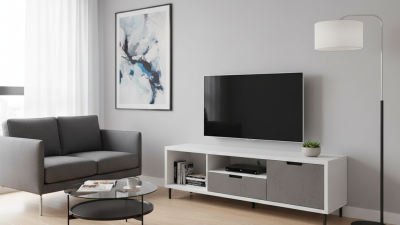
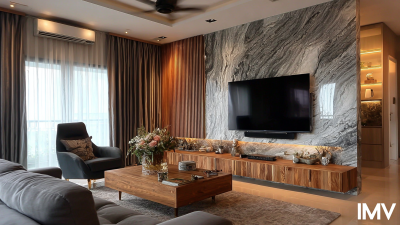
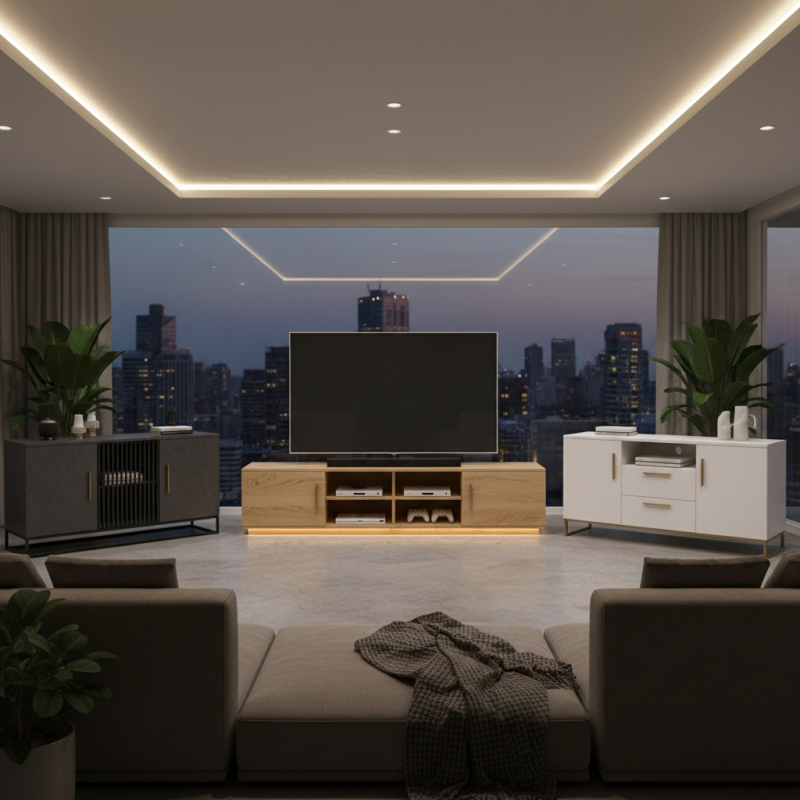
As global buyers navigate the ever-evolving landscape of home decor, the "Short TV Unit" has emerged as a significant trend for 2026. This multifunctional piece is not just about aesthetics; it balances style and practicality. Its compact size makes it ideal for smaller living spaces, catering to modern urban lifestyles.
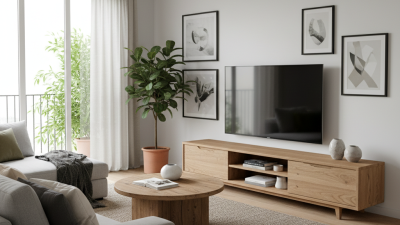
The appeal of Short TV Units lies in their versatility. These units come in various designs, materials, and finishes, creating options for every taste. Whether it’s a sleek wood grain or a contemporary metal finish, there’s something suitable for everyone. They serve multiple purposes, offering storage for entertainment devices and enhancing room aesthetics.
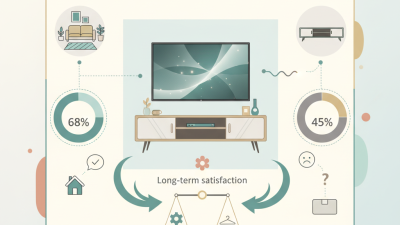
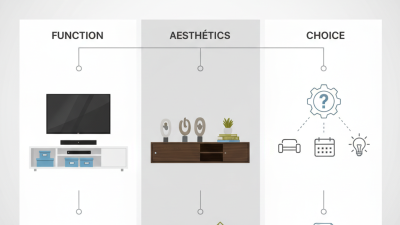
However, not all Short TV Units may meet every need. Buyers should consider their own space requirements and design preferences. Some units might lack storage space, while others could be too bulky despite being short. Reflecting on these aspects will ensure a satisfying purchase that complements their home decor.
Emerging Materials for Short TV Units in 2026
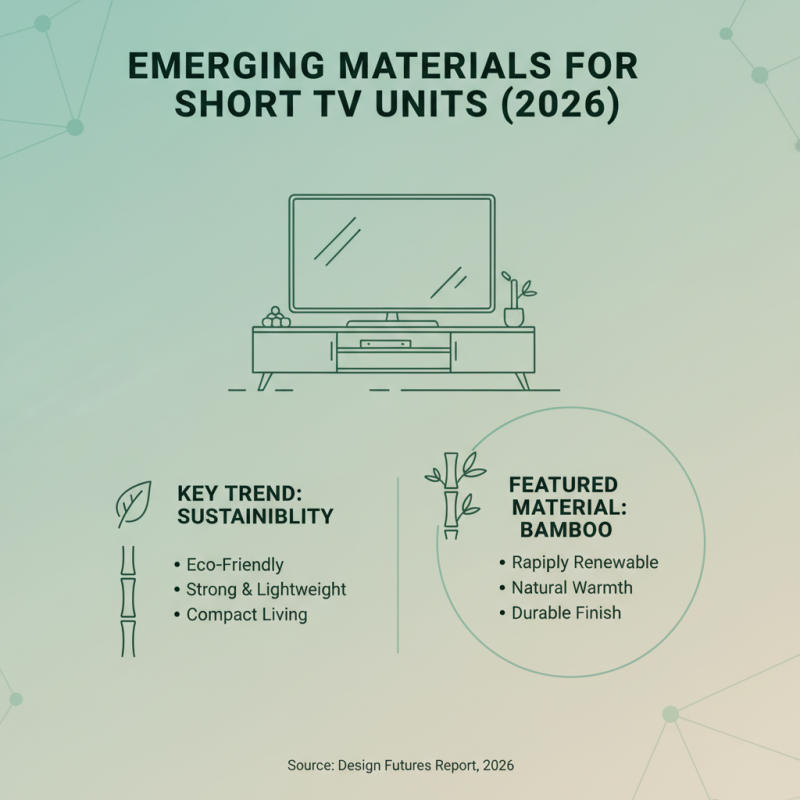
The landscape of short TV units is evolving rapidly, and 2026 promises exciting new materials. Designers are focusing on sustainable options. Bamboo has gained traction due to its eco-friendliness. This material is both strong and lightweight, making it ideal for compact living spaces. Bamboo’s natural finish adds warmth, creating an inviting atmosphere.
Another emerging material is recycled metal. Brands are exploring its potential for stylish, industrial looks. Recycled metal not only supports sustainability but also adds durability. Its raw texture can serve as a striking contrast to softer furnishings. However, the challenge lies in ensuring the finished product maintains quality while being environmentally friendly.
In addition, glass reinforcements are becoming more popular. They provide a sleek, modern appeal while maintaining a sense of openness. Yet, glass can pose safety issues, especially in households with young children. Balancing aesthetics with safety is a critical consideration. Overall, the focus on innovative materials reflects a growing commitment to sustainability and style in home design.
Innovative Design Features for Compact TV Units
Compact TV units are evolving rapidly, reflecting consumers' desire for innovative design and functionality. Reports indicate that nearly 60% of buyers prefer sleek, multifunctional units that maximize space efficiency. This trend shows a growing appreciation for designs that are not only stylish but also practical.
Many new models incorporate adjustable shelving and cable management systems for a cleaner look. The rise of remote work has also influenced design. Units with built-in charging capabilities and adaptable surfaces for laptops gain popularity. According to a recent market analysis, products with sustainable materials saw a 30% increase in demand. This preference signals a shift in consumer values towards eco-friendly options.
Despite these advancements, some designs may compromise on sturdiness due to their lightweight construction. While aesthetics are crucial, durability must remain a focus. Balancing sleek designs with robust materials poses a challenge. Innovation in compact TV units must also consider user accessibility. As trends shift, manufacturers need to reflect on these aspects to meet evolving consumer expectations effectively.
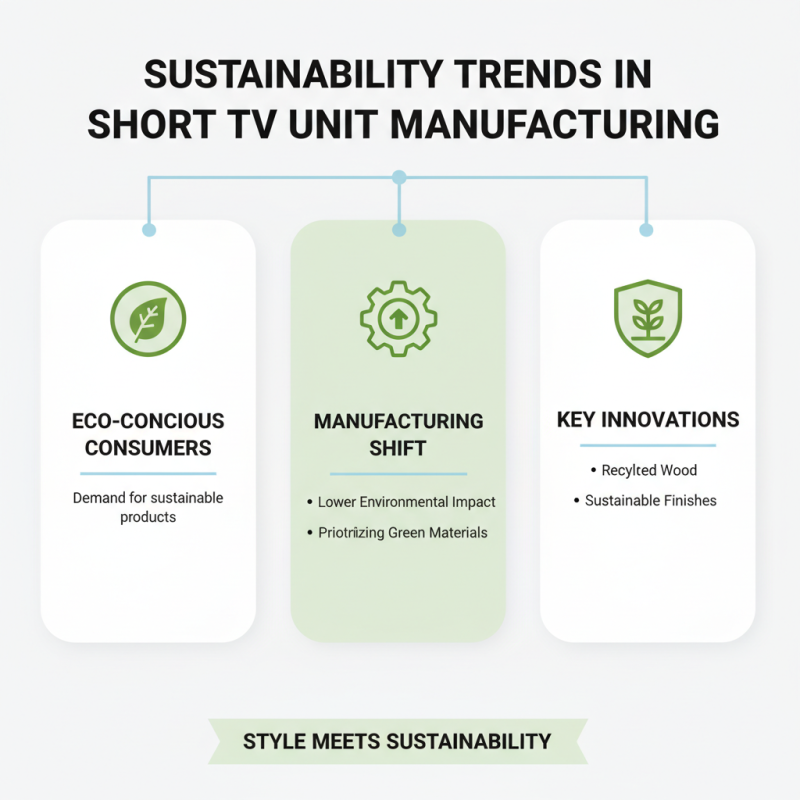
Sustainability Trends in Short TV Unit Manufacturing
Sustainability is reshaping the manufacturing of short TV units. As consumers become more eco-conscious, manufacturers are stepping up their game. They are now prioritizing materials that have a lower environmental impact. This shift includes the use of recycled wood and sustainable finishes. Consumers want products that not only look good but also minimize ecological damage.
Local sourcing is gaining traction. Thus, companies can reduce transportation emissions and support local economies. In addition, energy-efficient production methods are on the rise. Factories are adopting renewable energy sources to power their operations. This move not only cuts down on carbon emissions but also promotes long-term sustainability in manufacturing.
However, challenges remain. The push for sustainability can sometimes increase production costs. Some manufacturers may struggle to balance eco-friendliness with affordability. Additionally, not all consumers are ready to pay a premium for sustainable products. This disconnect can be a barrier to broader adoption. As the industry evolves, finding solutions that align sustainability with budget-friendly options remains essential.
Color and Finish Trends in 2026 Short TV Unit Designs
As we look towards 2026, the trends in color and finish for short TV units are evolving rapidly. According to recent industry reports, over 40% of consumers prioritize visually distinct finishes when selecting furniture. The use of natural materials is gaining traction, with wood finishes taking the lead. Light oak and walnut hues are especially popular due to their warm, inviting appeal. These tones create a cozy atmosphere, blending seamlessly into various interior styles. However, the strong preference for natural finishes hints at a potential oversaturation in the market, prompting buyers to seek unique designs.
In addition to wood, bold colors are emerging in short TV unit designs. Vibrant shades like deep navy, forest green, and warm terracotta are gaining traction. These colors add a splash of personality to living spaces, drawing attention without overwhelming the decor. A recent survey reported that about 30% of consumers are drawn to these statement colors. Yet, there is a noticeable risk; not every space can accommodate such vivid tones effectively. Designers must ensure that colors enhance rather than detract from the overall aesthetic.
Finish options are diversifying as well. Matte, glossy, and textured surfaces offer various choices for personal expression. Textured finishes, in particular, provide an intriguing tactile element. They invite touch while also maintaining a sophisticated look. However, the adaptability of these textures varies greatly. In some cases, they may not wear well over time, raising concerns for longevity. Balancing style with practicality requires careful consideration from both manufacturers and consumers.
2026 Short TV Unit Color and Finish Trends
Smart Technology Integration in Modern TV Units
Smart technology integration is shaping the future of TV units, making them more functional and appealing. Many consumers now prioritize tech compatibility when selecting their furniture. According to a recent industry report, 78% of buyers consider smart features essential in modern TV units. These features include built-in speakers, smart hubs, and wireless charging stations, enhancing overall user experience.
Connectivity is vital. Today's TV units often offer ports for various devices, accommodating streaming services and gaming consoles. Users can connect their smart devices seamlessly. In fact, a survey indicates that 65% of users prefer units that allow smartphone integration. However, there are challenges in design balance. While technology enhances usability, it risks overshadowing aesthetic value.
Moreover, the trend toward multifunctionality raises important questions. As TV units evolve, consumers may find themselves overwhelmed by choices. Smart technology can complicate simple tasks, leading to user frustration. It's essential for producers to refine their designs, focusing on intuitive functionality while maintaining traditional elegance. This reflects a growing need for user-friendly interfaces that simplify interactions with smart features.